

In the world of home exteriors, board and batten siding stands out as a classic, versatile, and timeless choice. Whether you're building a new home or renovating an old one, this stylish siding option offers a unique blend of aesthetics and functionality. In this guide, we're diving deep into what makes board and batten siding a showstopper.
What is Board and Batten Siding?
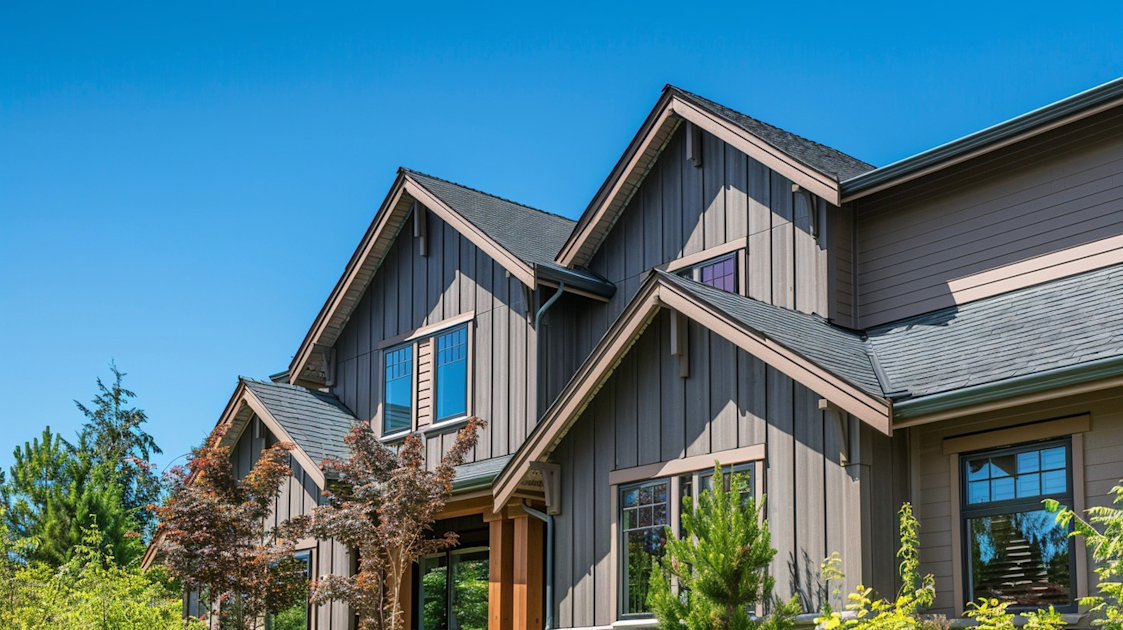
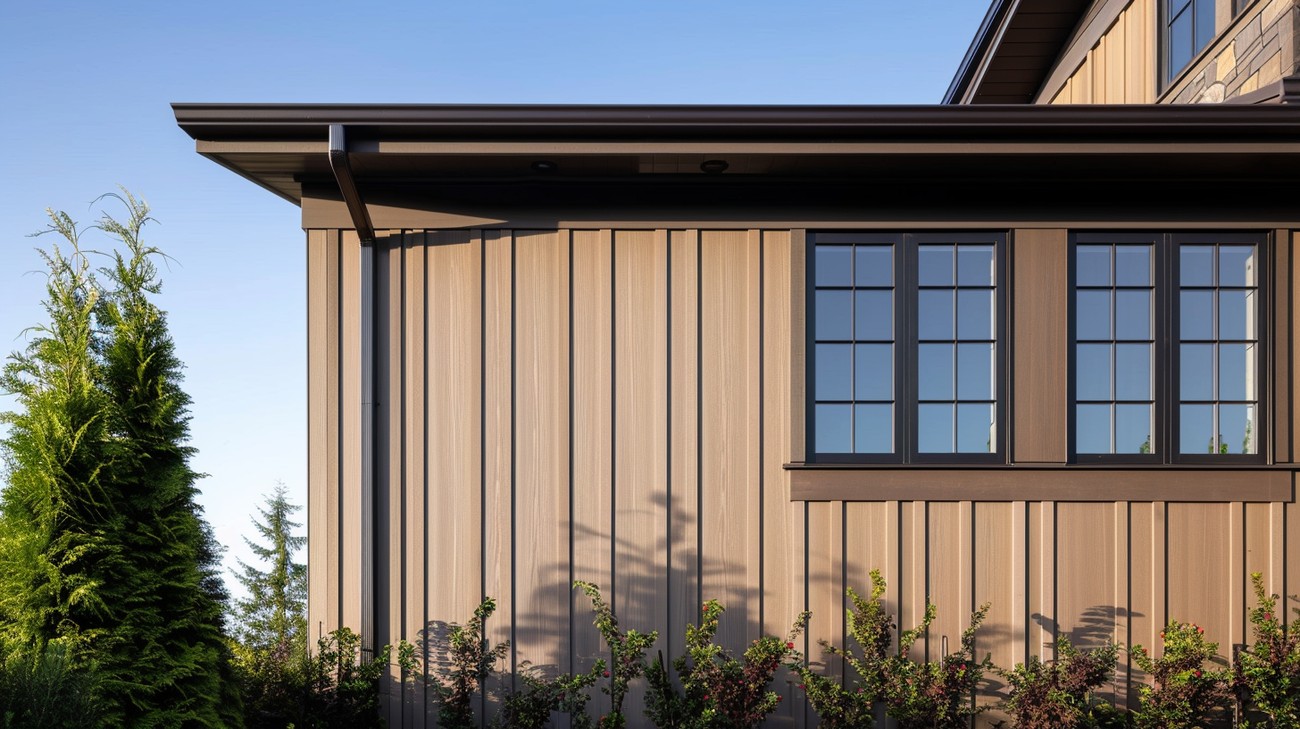
Board and batten siding is a design characterized by wide vertical boards (the boards) and narrower strips (the battens) that cover the seams between the boards. This creates a visually appealing texture and shadowing effect that adds depth to any building. Originating from the barns and farmhouses of yesteryears, it has surged in popularity for modern homes due to its distinctive style and durability.
The Appeal of Board and Batten
Board and batten siding’s charm comes from its rustic yet refined appearance. It strikes a perfect balance between traditional and contemporary aesthetics, making it an excellent choice for various architectural styles. Whether you're aiming for a cozy, countryside vibe or a sleek, modern look, board and batten can adapt to your vision.
Versatility in Design
- Traditional Charm: Complements rustic, farmhouse, or colonial-style homes.
- Modern Elegance: Perfect for minimalist and modern architectural designs.
- Color Variety: From whites and neutrals to bold hues, board and batten come in various colors to match your home’s palette.
Material Choices for Board and Batten
The choice of materials can significantly influence the look, feel, and durability of your board and batten siding. Here are the most common materials used:
Wood
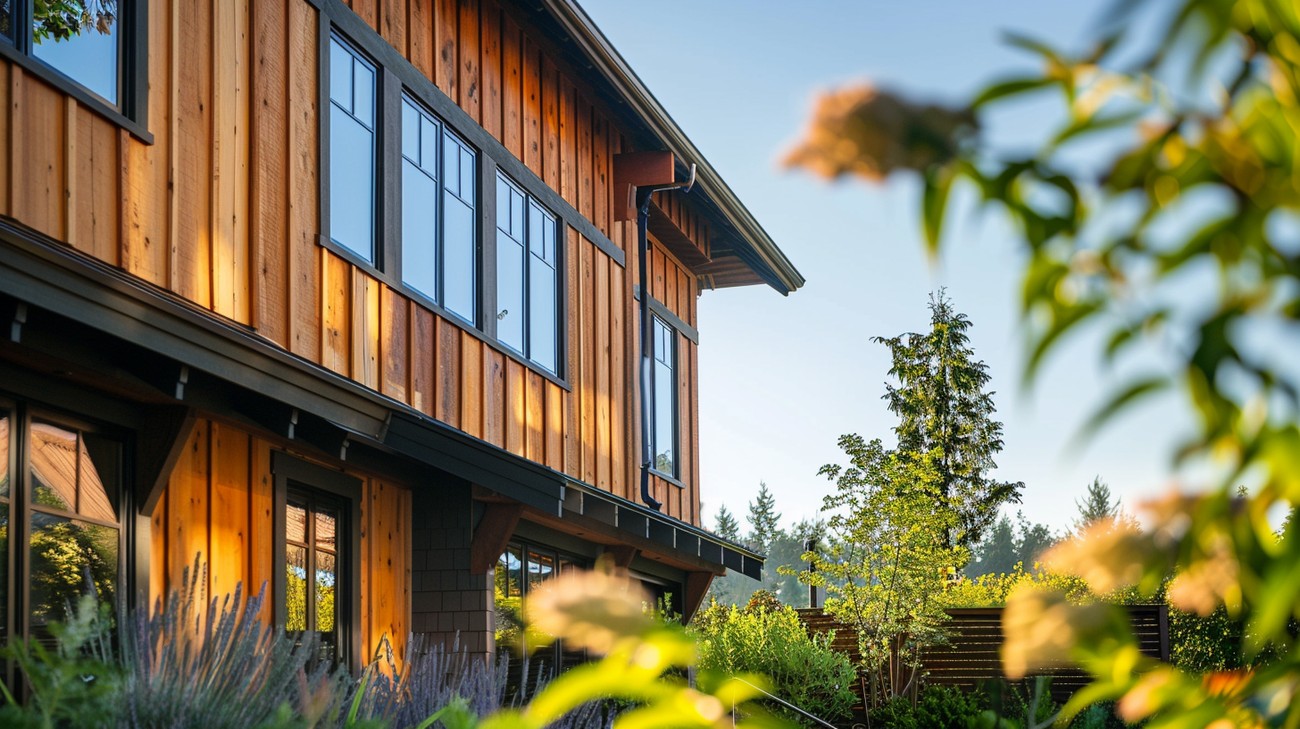
Wood is the traditional material used for board and batten siding, valued for its natural beauty and authenticity.
- Cedar: Popular for its resistance to decay and insect infestation.
- Pine: Offers a more budget-friendly option, though it may require more maintenance.
Vinyl
Vinyl board and batten siding is a low-maintenance alternative to wood that offers durability and a wide range of colors.
- Advantages: Resistant to fading, pests, and rot.
- Considerations: Less natural texture compared to wood.
Fiber Cement
Fiber cement combines durability with a convincing wood-like appearance, making it a great choice for those seeking longevity.
- Durability: Resistant to fire, insects, and harsh weather conditions.
- Aesthetic: Can mimic wood or offer a smooth finish.
Composite
Composite materials are crafted from a mix of wood fibers, resins, and polymers.
- Engineered for Strength: Lower susceptibility to rot and insects.
- Eco-Friendly Options: Some brands offer composite siding made from recycled materials.
Installation: What to Expect
Installing board and batten siding is a meticulous process that requires precision. Here’s a step-by-step look at what’s involved:
- Preparation: The process begins with the removal of existing siding and inspection of the underlying structure for damage.
- Installation of Boards: Wide boards are horizontally aligned and attached to the structure.
- Battens Placement: These narrow strips are then installed over the seams, ensuring that moisture barriers are in place.
- Detailed Finishing: A primer and protective finish are applied to enhance durability and appearance.
Professional vs. DIY Installation
While DIY installation might be cost-effective, hiring professionals ensures accuracy and quality. Experts are equipped with the right tools and experience, potentially saving time and future repair costs.
Maintenance Tips for Longevity
Regular maintenance can extend the life of your board and batten siding, keeping it looking as good as new.
- Regular Cleaning: Wash the siding annually to prevent dirt and mildew buildup.
- Inspection: Periodically check for damaged or loose boards and battens.
- Repainting or Staining: Wood siding may require repainting or staining every few years to maintain its appearance and protect against the elements.
By following these straightforward practices, you can preserve both the beauty and functionality of your siding for years to come.
Board and Batten Siding Cost Considerations
Pricing for board and batten siding varies based on materials, labor, and regional differences.
- Material Costs: Wood tends to be more expensive initially, while vinyl and fiber cement offer lower long-term maintenance costs.
- Labor: Professional installation costs can be significant, but they offer peace of mind and quality assurance.
When budgeting for board and batten siding, consider not only the upfront costs but also the long-term value and upkeep.
Frequently Asked Questions About Board and Batten Siding
How is board and batten siding installed?
Board and batten siding is installed by vertically placing wide boards side by side with narrower strips, called battens, covering the seams between the boards. This creates a layered appearance that many find aesthetically pleasing. The installation typically involves securing the boards first and then nailing the battens over the gap. You'll want to ensure that all pieces are properly sealed and primed for weather resistance. Many people choose to work with professionals to handle the installation due to the precision required, though experienced DIYers might tackle it over a few weekends.
What materials are commonly used for board and batten siding?
Traditionally, wood has been the material of choice for board and batten siding, with species like cedar and pine being popular for their durability and appearance. However, modern alternatives such as vinyl, engineered wood, and fiber cement have become popular. Vinyl offers a low-maintenance option, while fiber cement mimics wood but is more resistant to fire and insect damage. The choice of material often depends on budget, desired aesthetics, and maintenance preferences.
Does board and batten siding require a lot of maintenance?
Board and batten siding maintenance varies depending on the material selected. Wood siding will need more upkeep, such as regular painting or staining to protect against the elements and prevent rot. Vinyl and fiber cement options are known for being low-maintenance, requiring an occasional wash and inspection for any damage. Keeping up with regular maintenance ensures the siding remains in good condition, prolonging its life and maintaining its visual appeal.
Is board and batten siding energy-efficient?
Board and batten siding can contribute to a home's energy efficiency, but it largely depends on the material and installation. For instance, if installed well with proper insulation underneath, it can help reduce drafts and improve thermal performance. Insulation plays a crucial role, so it's often recommended to combine batten siding with an effective layer of insulation. This combination helps maintain a stable indoor temperature, potentially reducing energy bills over time.
How does board and batten siding add to the aesthetics of a home?
Board and batten siding adds a distinct, rustic charm to homes, setting them apart with its timeless appeal. It offers architectural flexibility, allowing homeowners to customize the look to suit both modern and traditional styles. This siding style creates visual interest through its combination of wide boards and narrow battens, drawing the eye upwards and making buildings appear taller. Such an effect is especially beneficial for single-story homes needing a bit of visual height.
Can board and batten siding be painted any color?
Yes, board and batten siding can be painted in a wide range of colors, offering versatility to match your personal taste and the architectural style of your home. When painting wooden board and batten siding, it's crucial to choose high-quality exterior paint and a compatible primer to ensure longevity and durability. Modern materials like vinyl and fiber cement can come pre-colored in various shades that resist fading, but they can also be painted in future if desired.
What is the difference between board and batten siding and traditional siding styles?
Board and batten siding differs from traditional horizontal siding styles by its distinct vertical design. While traditional siding—such as clapboard or shingles—generally runs horizontally, board and batten involves placing long boards up and down. This vertical arrangement can emphasize height and lend a unique aesthetic to buildings. It can also suit both rustic and contemporary designs, offering flexibility that many horizontal styles may not provide.
Is board and batten siding more costly than other types of siding?
The cost of board and batten siding can vary based on the materials used and the complexity of the installation. Generally, using wood can be more expensive than vinyl but may be cheaper than stone or brick. Vinyl and fiber cement board and batten sidings may have a higher upfront cost than traditional horizontal vinyl siding. While these options might be more expensive initially, their durability and low-maintenance nature can offer cost savings over time. It's always wise to get multiple quotes and consider the long-term implications of each material.
Can board and batten siding be installed over existing siding?
Yes, in many cases, board and batten siding can be installed over existing siding, depending on the condition and type of the current siding material. It’s essential to evaluate whether the existing siding is sound and free from issues like rot or extensive wear. Proper preparation involves ensuring a flat surface, possibly adding a moisture barrier, and then installing the board and batten over it. Consulting with a professional can help determine the best approach for your specific situation to avoid potential pitfalls that could compromise the integrity or appearance of the new siding.
Let's Dive into the Pros and Cons of Board and Batten Siding
Pros
Aesthetic Appeal
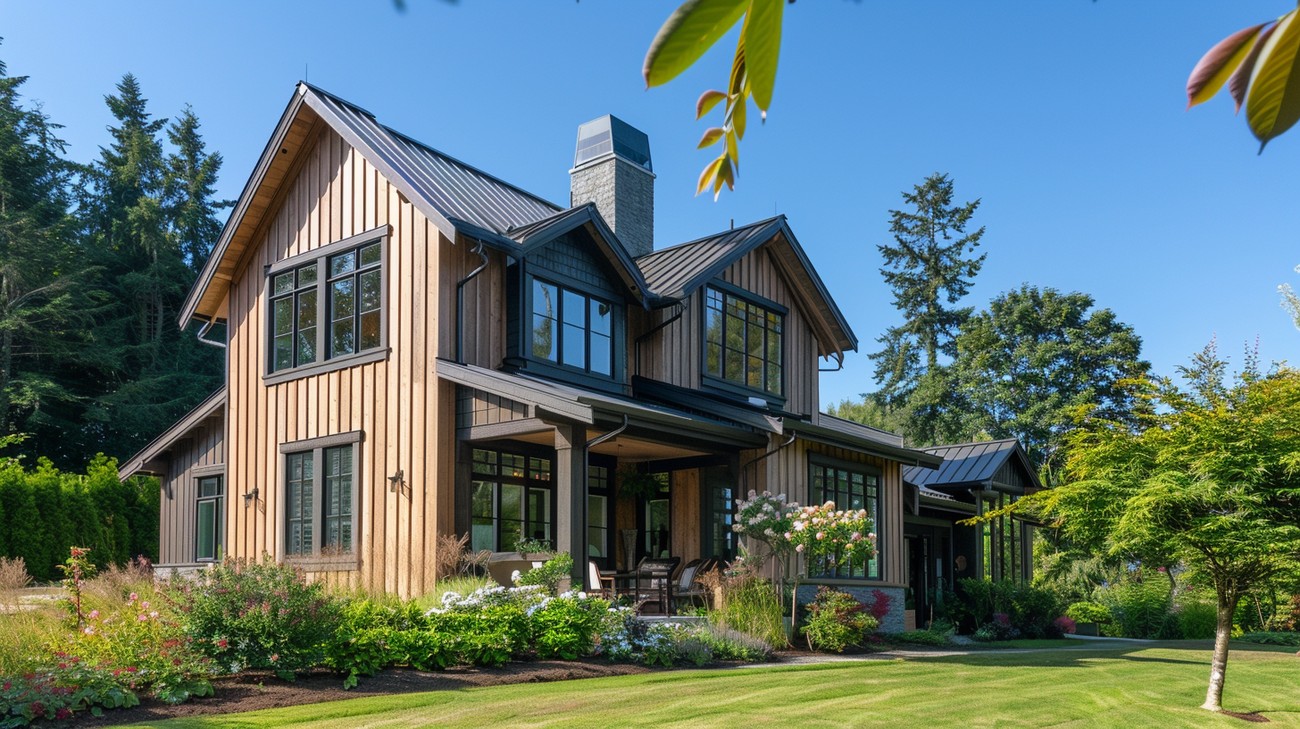
Board and batten siding offers a distinctive, rustic charm that many homeowners love. It can turn a plain exterior into something that stands out with a touch of elegance and history. The vertical lines created by the alternating wide boards and narrow battens add height and drama to a home's facade, making it a favorite for those aiming for a classic yet contemporary look.
Versatility
This siding style isn't just tied to one aesthetic. Whether you're aiming for a traditional farmhouse feel or a modern twist, board and batten can adapt to a range of design preferences. It can be painted in a variety of colors to match your vision, ensuring that it meets both personal taste and neighborhood standards.
Durability
Thanks to its unique structure, board and batten siding can hold up well against the elements. The layered installation provides added strength and can help protect your home from harsh weather conditions, making it a practical choice for those who prioritize resilience.
Easy Repairs
When damage occurs, repairs can be notably straightforward. For instance, if a single board becomes damaged, you might only need to replace that individual piece, rather than tackling a larger section or the entire siding. This can save time, effort, and money, adding to its appeal for the budget-conscious homeowner.
Increased Insulation
The design of board and batten siding naturally allows for slightly better insulation compared to some other types. The additional layers can act as a buffer, potentially helping to maintain interior temperatures more effectively. This can be especially beneficial in climates where homes experience broad seasonal temperature swings.
Cons
Cost
While beautiful, board and batten siding can be more expensive than other siding options. The cost arises from both the materials and the labor needed to install it. Its detailed installation requires more time and precision, which can increase the overall expenditure for homeowners looking to stay within a tight budget.
Maintenance Requirements
This siding option can require more maintenance. The vertical seams and layers can create places where moisture might accumulate, leading to potential issues such as mold or rot if not addressed regularly. Homeowners need to be vigilant about inspections and upkeep to preserve the siding’s integrity and appearance.
Unsuited for All Climates
In areas with extreme weather conditions, such as heavy rainfall or intense sunlight, board and batten might require more frequent attention. In very wet regions, for instance, the potential for moisture infiltration means it might not be the most practical choice unless preventive measures are taken.
Installation Time
Given the intricate design, the installation process can take longer than other siding options. This time investment can be inconvenient if you're looking for a quick home upgrade. You'll need to factor in the extended timeline when planning the installation of your board and batten siding.
Risk of Warping or Splitting
Depending on the material used—especially if you opt for wood over vinyl—there's a risk of the boards warping or splitting over time. This is particularly so in variable weather conditions that involve significant humidity or temperature fluctuations, necessitating more regular checks and potential replacements.
Final Thoughts
When it comes to enhancing your home's curb appeal and protecting it from the elements, board and batten siding is a fantastic choice that combines modern aesthetics with classic charm. Whether you're drawn to its distinctive vertical lines or its robust durability, this style can truly transform your home into a standout in the neighborhood. It's important to consider how it fits your vision and maintenance preferences, ensuring you select the right materials and colors to complement your property.
If you're in the Bellevue, WA area and ready to explore the possibilities of board and batten siding, we’re here to help. At New Day Construction, we pride ourselves on our expertise and personalized service, guiding you through the selection and installation process. Feel free to reach out to us for a consultation or to request a free estimate—we’d love to help you bring your vision to life!


