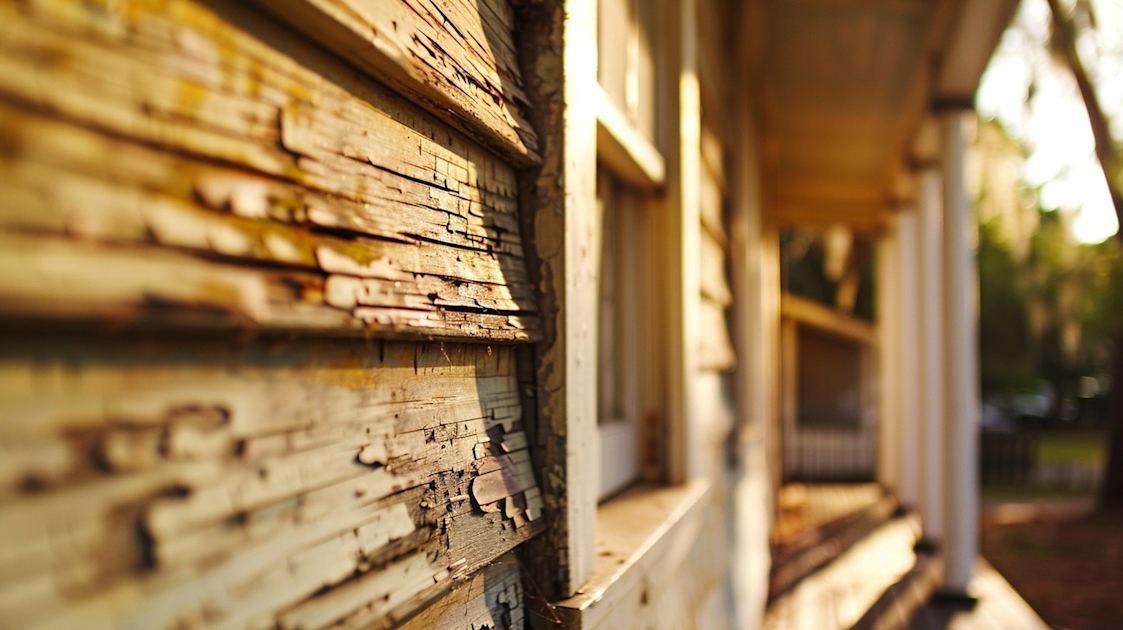


If you’re exploring siding options for your home, chances are you've come across the term "clapboard siding". It's a popular choice boasting a classic aesthetic that has been loved for centuries. Not only does it stand the test of time aesthetically, but it also offers advantages in durability and maintenance. In this article, we'll explore everything there is to know about clapboard siding, including its history, materials, installation process, maintenance tips, and more.
History of Clapboard Siding
Clapboard siding, also known as weatherboard, bevel siding, or lap siding, has roots tracing back to colonial America. Originally, it was crafted from wooden planks split from trees native to the area, such as pine, spruce, or cedar. These planks were then fashioned into thin, horizontal boards that overlap, creating a water-resistant barrier. As clapboard's popularity grew, it became a quintessential feature of the iconic American home.
Materials Used in Clapboard Siding
Traditional Wood
Historically, clapboard siding is made from wood. The following types are especially revered:
- Cedar: Valued for its natural resistance to weather, rot, and insects.
- Pine: Offers a classic look with economical pricing.
- Redwood: Known for its durability and excellent moisture resistance.
Modern Alternatives
Modern materials have adapted to contemporary needs while maintaining a traditional appearance:
- Vinyl: Offers a low-maintenance, budget-friendly option available in a variety of colors and textures.
- Fiber Cement: Mimics wood closely while providing added benefits of fire and rot resistance.
- Composite Wood: Made from a blend of wood fibers and other materials for enhanced durability and moisture resistance.
Advantages of Clapboard Siding
Clapboard siding offers numerous advantages, making it a consistent favorite:
- Aesthetic Appeal: Its classic, elegant appearance adds to curb appeal.
- Versatility: Available in different materials and finishes, it caters to diverse style preferences.
- Durability: With proper maintenance, clapboard can last decades, offering a robust defense against weather.
- Energy Efficiency: Provides excellent insulation, aiding in temperature regulation.
Installation Process
Tools and Preparation
Before starting, gathering the right tools and materials is essential. Common tools include:
- Hammer or nail gun
- Measuring tape
- Level
- Saw (circular or hand saw)
Step-by-Step Installation Guide
- Prepare the Surface: Ensure the wall is clean and dry. Use weather barriers or underlayment for added moisture protection.
- Measure and Cut: Carefully measure each section and cut the siding to size, accounting for overlaps.
- Start from the Bottom: Begin installing at the bottom of the wall, ensuring the first row is level.
- Nail Securely: Use galvanized nails to secure each board, leaving slight space for natural expansion.
- Overlap Correctly: Ensure each board overlaps the one below it by at least an inch to prevent water ingress.
Maintenance Tips for Longevity
Routine maintenance is key to preserving the beauty and functionality of your clapboard siding. Here are some essential tips:
- Regular Cleaning: Wash the siding annually with a mild detergent and water to remove grime and mildew.
- Sealing & Painting: Wooden clapboard may need resealing or repainting every few years to maintain protection against the elements.
- Inspect and Repair: Regularly inspect for damages or loose boards and repair promptly to prevent further issues.
Paint and Color Selection
Choosing the right color and finish can significantly impact your home's appearance. Consider these tips:
- Climate Considerations: In hotter climates, lighter colors reflect heat, while darker shades absorb it.
- Architectural Harmony: Choose colors that complement the overall design style and surroundings of your home.
- Quality of Paint: Invest in high-quality, weather-resistant paint for durability and color retention.
The Environmental Impact of Clapboard Siding
Selecting clapboard siding is not just a stylistic choice but a sustainable one too:
- Wood Siding: When sourced responsibly, it’s renewable and biodegradable.
- Fiber Cement and Composites: These options often incorporate recycled materials, reducing waste.
- Vinyl: Innovations in recycling programs help offset its environmental impact.
Clapboard Siding FAQ
Why is clapboard siding popular for homes?
Clapboard siding is a popular choice for homes due to its classic aesthetic appeal and versatility. It offers a traditional look that can enhance the architectural integrity of both historical and modern structures. Moreover, clapboard siding is available in various materials such as wood, vinyl, and fiber cement, allowing homeowners to choose a type that suits their budget and maintenance preferences. The overlapping design effectively sheds water, protecting homes against harsh weather conditions, making it a practical and long-lasting option.
How does clapboard siding compare to other types of siding in terms of durability?
Clapboard siding is renowned for its durability, especially when made from high-quality materials like fiber cement or engineered wood. Compared to other types of siding, such as vinyl or aluminum, clapboard is often more resistant to impact and can withstand strong winds and hail. Additionally, when properly maintained, wooden clapboard can last several decades. However, it is essential to choose coated or treated options to resist moisture and pest damage effectively.
What maintenance does clapboard siding require?
Maintaining clapboard siding involves regular cleaning and inspections. To keep it looking its best, wash the siding annually with mild soap and water using a soft brush or power washer at a low setting. Inspections should focus on checking for any signs of damage, such as warping, cracking, or peeling paint, and addressing these issues promptly to prevent further deterioration. If you've chosen wooden clapboard siding, it may also require periodic painting or staining every five to seven years to protect it from the elements and maintain the desired appearance.
Is clapboard siding energy efficient?
Clapboard siding can contribute to a home's energy efficiency, but it is typically more effective when used in conjunction with proper insulation. The primary purpose of clapboard is to protect against weather, but by installing a good insulating layer beneath, it can reduce heat loss in winter and heat gain in summer. Furthermore, newer materials like fiber cement can be paired with specialized insulation products to enhance thermal performance significantly.
Can I install clapboard siding myself, or should I hire a professional?
Installing clapboard siding can be a DIY project for individuals with adequate experience in carpentry and home renovations. It requires precision and understanding of handling materials like wood or fiber cement properly. However, for most homeowners, hiring a professional is advisable to ensure a flawless installation and eliminate potential pitfalls such as misaligned boards or insufficient sealing against weather conditions. Professionals can handle the cutting, fitting, and securing tasks with expertise, often completing the job more efficiently and effectively than an untrained individual.
How do I choose the right material for clapboard siding?
Choosing the right material for clapboard siding depends on your priorities, such as budget, maintenance level, and aesthetic preference. Wood offers a charming, authentic appearance and can be stained or painted in numerous colors, but it demands more upkeep. Fiber cement is a robust option, offering similar visual appeal with enhanced durability and lower maintenance. Vinyl is another low-maintenance choice, available in various colors but might lack the authenticity of wood grain textures. Consider the climatic conditions and architectural style of your home to make the best choice for your siding material.
What are the environmental impacts of using clapboard siding?
The environmental impact of clapboard siding largely depends on the material chosen. Wood clapboard can be sustainable if sourced from responsibly managed forests, and it is biodegradable at the end of its lifecycle. However, it requires regular treatments and paints, which have some environmental footprint. Fiber cement and vinyl siding involve more energy-intensive manufacturing processes but are durable, long-lasting options that minimize the need for frequent replacements. Opting for recycled-content materials or those with environmental certifications can help mitigate negative impacts.
Can clapboard siding be used in any climate?
Clapboard siding can be used in a variety of climates, with some materials proving more suitable for specific conditions. For example, wood clapboard is better in dry, mild climates as it can be vulnerable to moisture and pest damage in humid environments. Conversely, fiber cement and engineered wood are well-suited for harsher climates, resisting rot, insect infestation, and weather-related stresses effectively. Additionally, proper installation and maintenance practices will ensure clapboard siding remains functional and aesthetically pleasing across different climates.
How does clapboard siding affect a home's resale value?
Clapboard siding can significantly boost a home's curb appeal and, consequently, its resale value. Homes with well-maintained clapboard siding tend to attract buyers looking for a classic and robust exterior. The material you choose impacts this aspect as well; for instance, high-quality fiber cement siding is appealing for its longevity and low maintenance. Additionally, its ability to blend with both traditional and contemporary home styles makes it a versatile choice that many potential buyers appreciate during property evaluations.
Exploring the Pros and Cons of Clapboard Siding
Pros of Clapboard Siding
Traditional Charm and Curb Appeal
Clapboard siding offers a classic and timeless aesthetic that can elevate the look of any home. Its horizontal lines and versatile design make it easy to pair with various architectural styles, from modern homes to traditional cottages.
Variety of Materials and Finishes
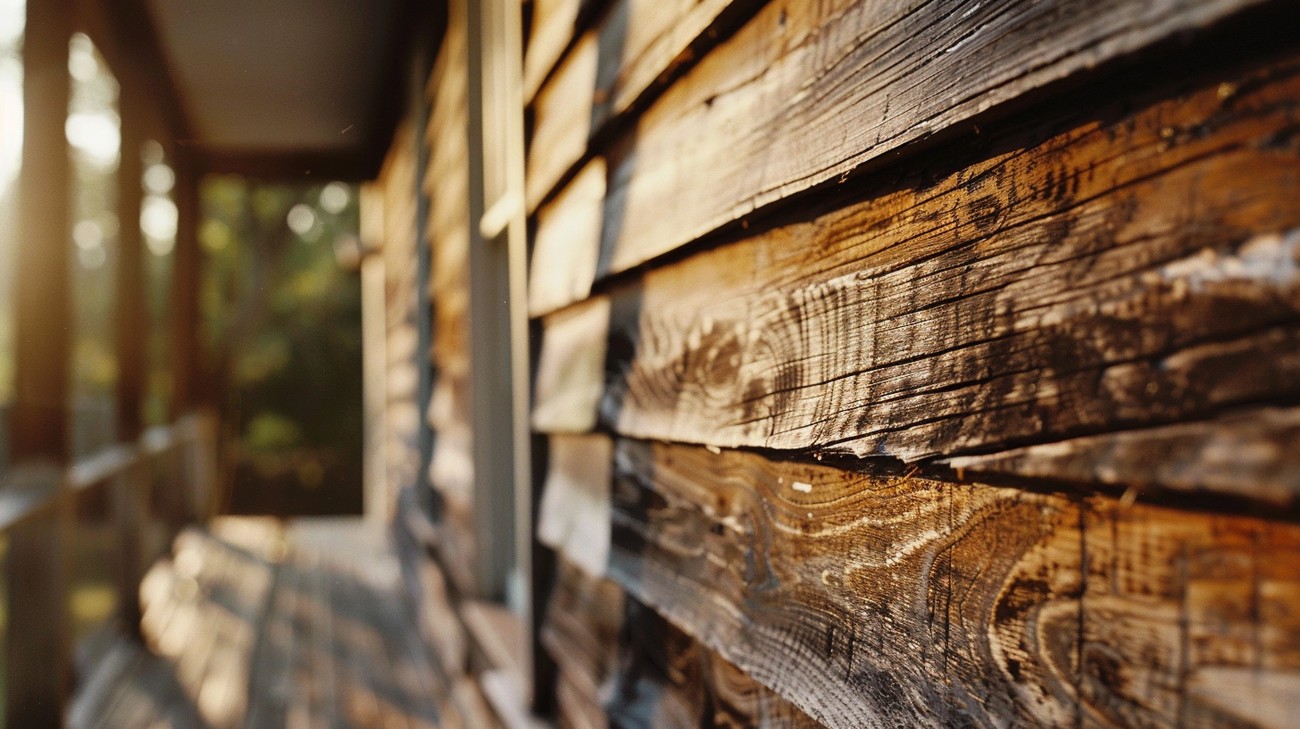
Whether you're into the rustic charm of natural wood or prefer the low-maintenance appeal of engineered wood or fiber cement, clapboard siding has you covered. It comes in a variety of materials and finishes, allowing you to customize the look to suit your taste and the overall aesthetic of your property.
Durability and Longevity
When properly maintained, clapboard siding can last for decades. Materials like fiber cement are particularly renowned for their durability, offering resistance to rot, insects, and adverse weather conditions.
Customization Options
From color choices to different widths and textures, clapboard siding lets you get creative. You can paint or stain wood clapboard to refresh its look, while engineered siding often comes pre-finished in a wide array of colors.
Breathability
Natural wood clapboard siding allows the walls of your home to breathe, making it a healthier choice for those concerned about indoor air quality. This breathability can also help prevent moisture build-up and reduce the risk of mold.
Repairable and Restorable
For those who enjoy a bit of DIY or want an easier repair option, clapboard siding is quite forgiving. If a section gets damaged, you can replace individual boards without having to redo the entire façade.
Cons of Clapboard Siding
Intensive Maintenance Requirements
Especially with natural wood clapboard, get ready to roll up your sleeves. It demands regular staining or painting to maintain its appearance and protect it from the elements. This maintenance can be both time-consuming and costly over the years.
Vulnerability to Weather
While some materials like fiber cement offer improved durability, natural wood siding is more susceptible to weather damage. It can warp or rot if not properly sealed and protected, particularly in areas with high moisture levels or extreme weather conditions.
Potential for Pest Issues
Natural wood clapboard siding can attract pests like termites or carpenter ants. To combat this, you’ll need to invest in regular pest control measures to protect your investment and keep your home’s exterior in tip-top shape.
Higher Initial Costs
The initial installation of clapboard siding can be more expensive compared to other types like vinyl or aluminum, especially when opting for high-quality wood or engineered materials. This higher upfront cost might be a deterrent for some homeowners.
Installation Complexity
Installing clapboard siding isn't always a straightforward task. It requires precision to ensure proper alignment and adequate weather sealing. This can increase installation time and labor costs unless you're skilled at tackling complex home improvement projects.
Color Fading and Wear
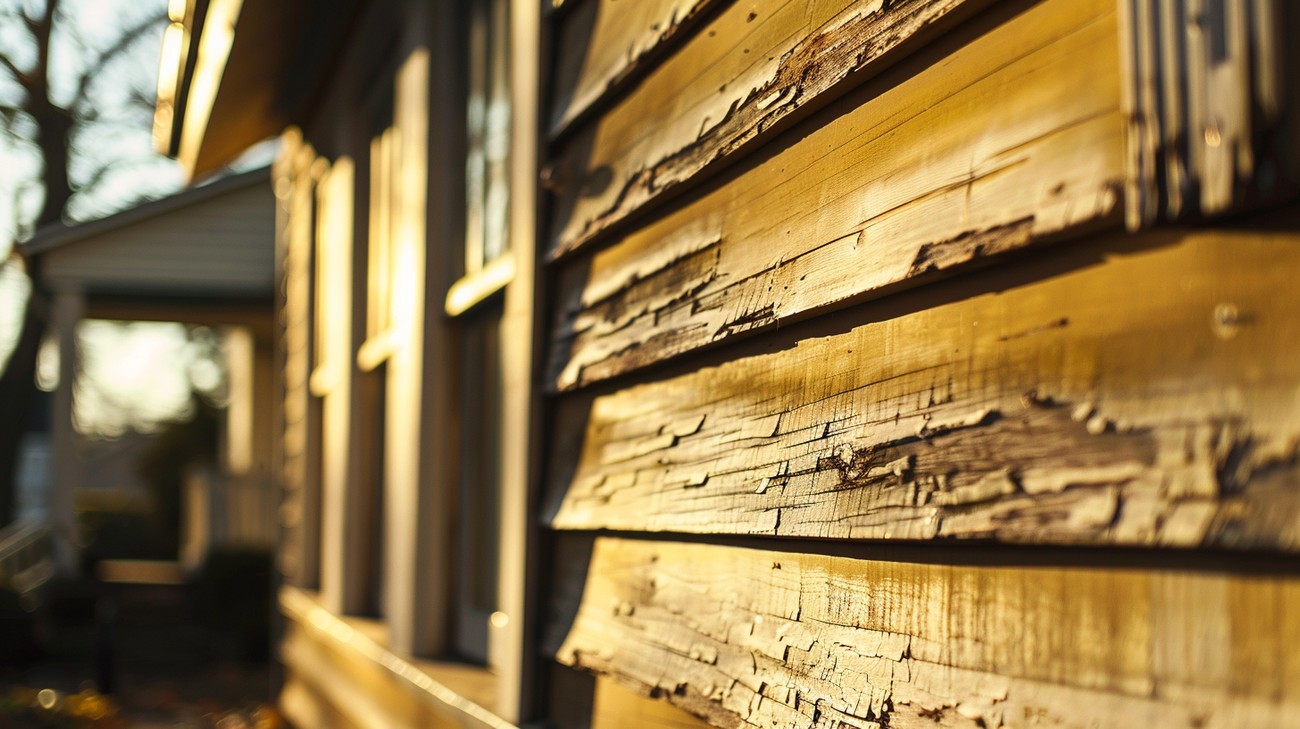
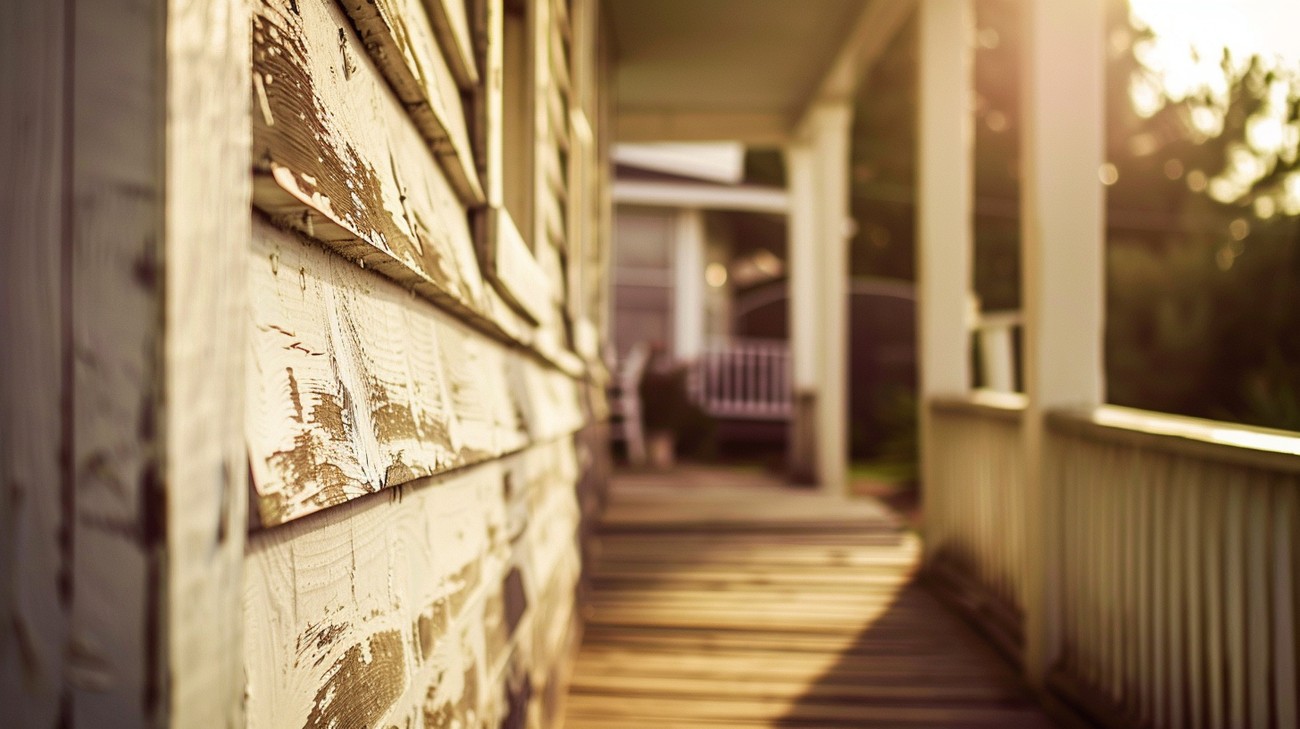
Especially with painted wood siding, over time, exposure to sunlight can lead to fading and a less vibrant appearance. Regular repainting is necessary to maintain the desired look and curb appeal.
Final Thoughts
Clapboard siding is a fantastic choice for homeowners looking to enhance the aesthetic appeal and durability of their homes. It not only provides a classic look that stands the test of time but also offers excellent protection against the elements, especially here in Bellevue, WA, where weather patterns can be quite unpredictable. When considering new siding, it’s essential to weigh your options carefully and choose a material that fits both your style and your budget.
If you're curious about how clapboard siding can transform your home, we invite you to reach out to us at New Day Construction. Our team is dedicated to serving homeowners in Bellevue and would love to help you explore the best siding solutions for your needs. Whether you're ready to schedule a consultation or just want more information, we’re here to assist you every step of the way. Let's work together to bring your vision to life!


