
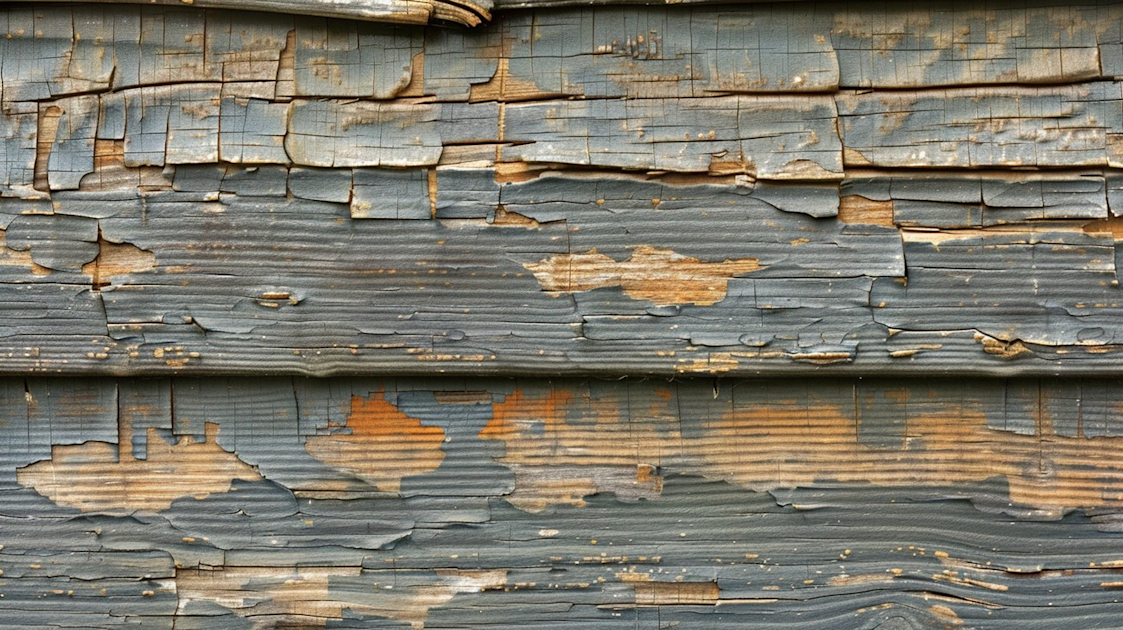


T1-11 siding has been a popular choice for many homeowners and builders due to its rustic appearance and cost-effectiveness. However, like any building material, it comes with its own set of challenges. In this article, we dive deep into common T1-11 siding problems, how to identify them, and potential solutions. This guide will enrich your understanding and help you make informed maintenance decisions.
What is T1-11 Siding?
T1-11, also known as plywood or OSB (oriented strand board) siding, is a type of wooden siding sheet that offers a traditional, natural look to buildings. Generally used for outdoor sheds, houses, and barns, it provides a classic appearance with plywood textured grooves. Available in both treated and untreated forms, it demands proper care to ensure longevity.
Common T1-11 Siding Problems
While T1-11 siding offers several aesthetic and financial advantages, it is not without its issues. Homeowners may encounter various problems that need regular attention.
Moisture and Water Damage
One of the most significant challenges with T1-11 siding is its vulnerability to moisture. Water can penetrate easily, leading to swelling, warping, and eventually, rot. This problem is exacerbated in humid or rainy climates. Over time, if not addressed, moisture can lead to significant structural damage.
- Warping: When T1-11 becomes wet and then dries repeatedly, it may warp or curl.
- Rotting: Persistent moisture exposure can cause the wooden components to rot, affecting both appearance and structural integrity.
Susceptibility to Insects
T1-11 siding is particularly susceptible to insect infestations, especially from termites and carpenter ants. These insects can bore into the wood, causing severe damage.
- Termite Damage: Termites thrive in damp environments, and T1-11's moisture retention can make it an ideal habitat.
- Carpenter Ants: These ants don't eat wood but tunnel through it, weakening the structural framework over time.
Maintenance Challenges
Maintaining T1-11 siding can be a labor-intensive task. Regular inspections and timely repairs are critical to prevent extensive damage.
- Frequent Painting: To keep T1-11 siding in top condition, it needs repainting every three to five years to ensure adequate protection.
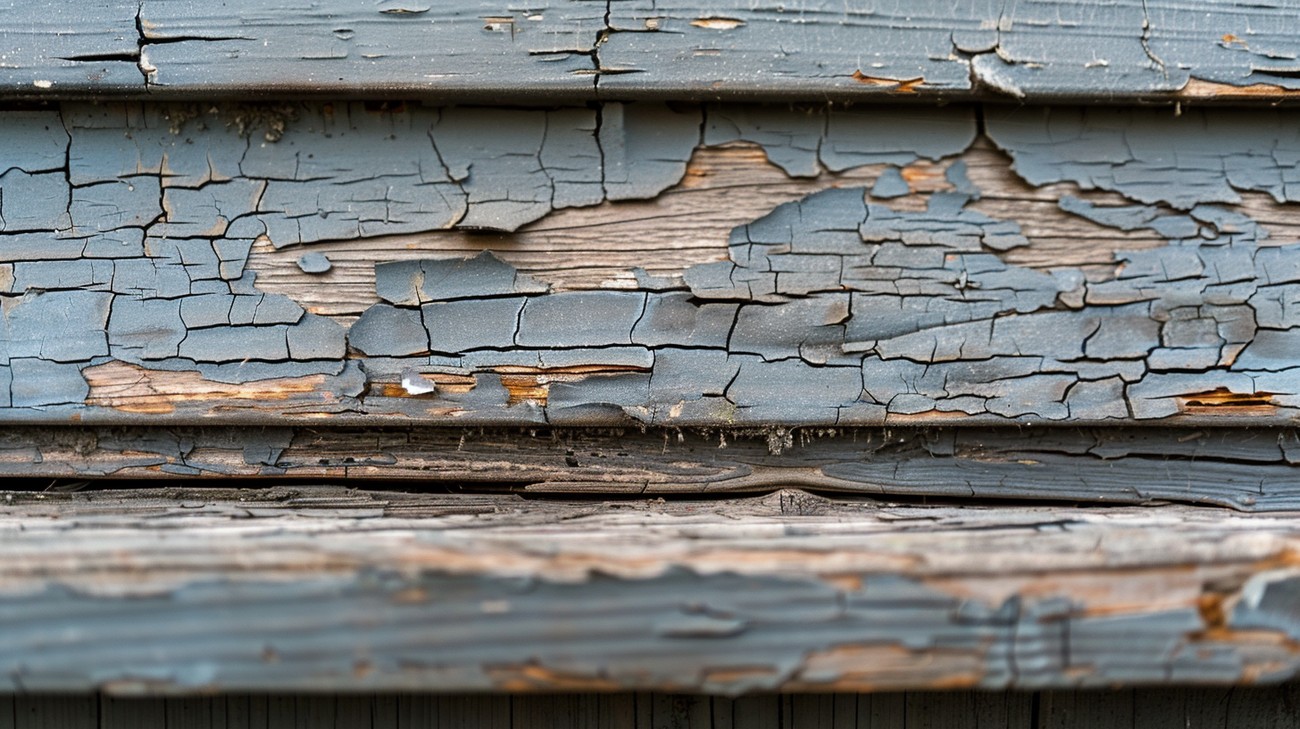
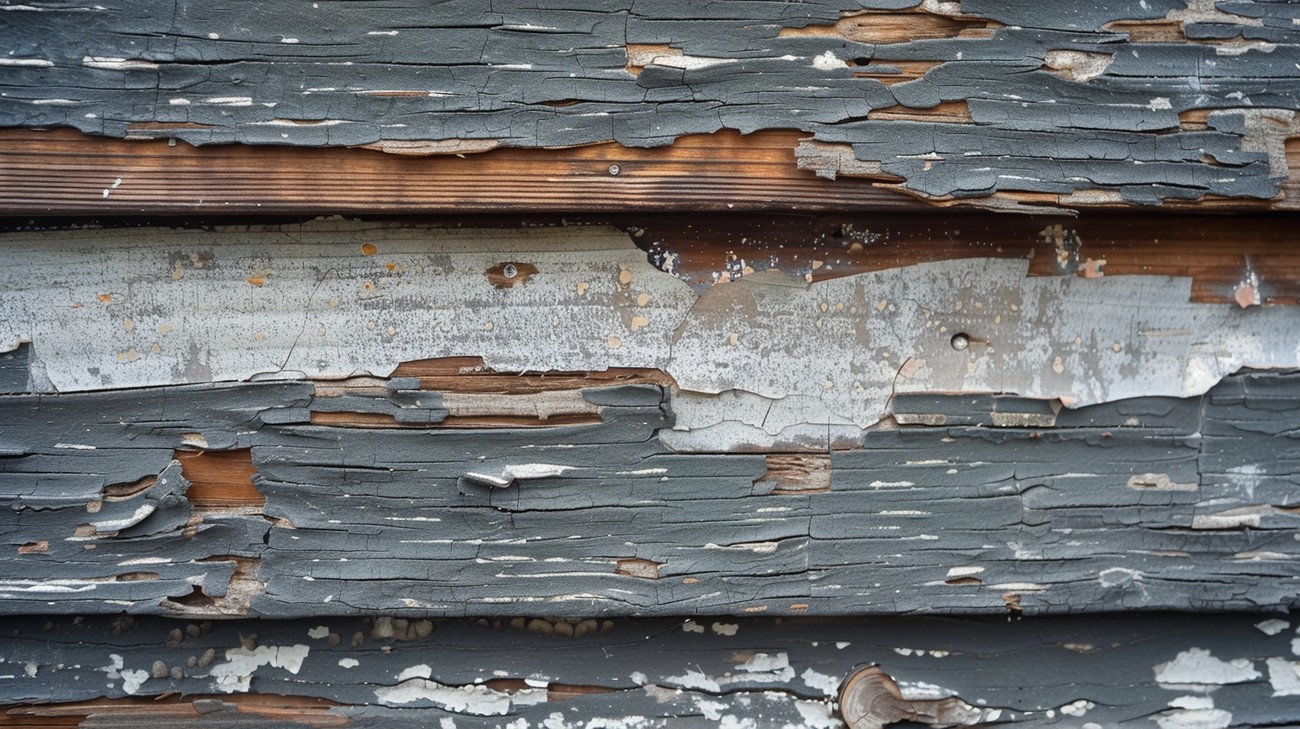
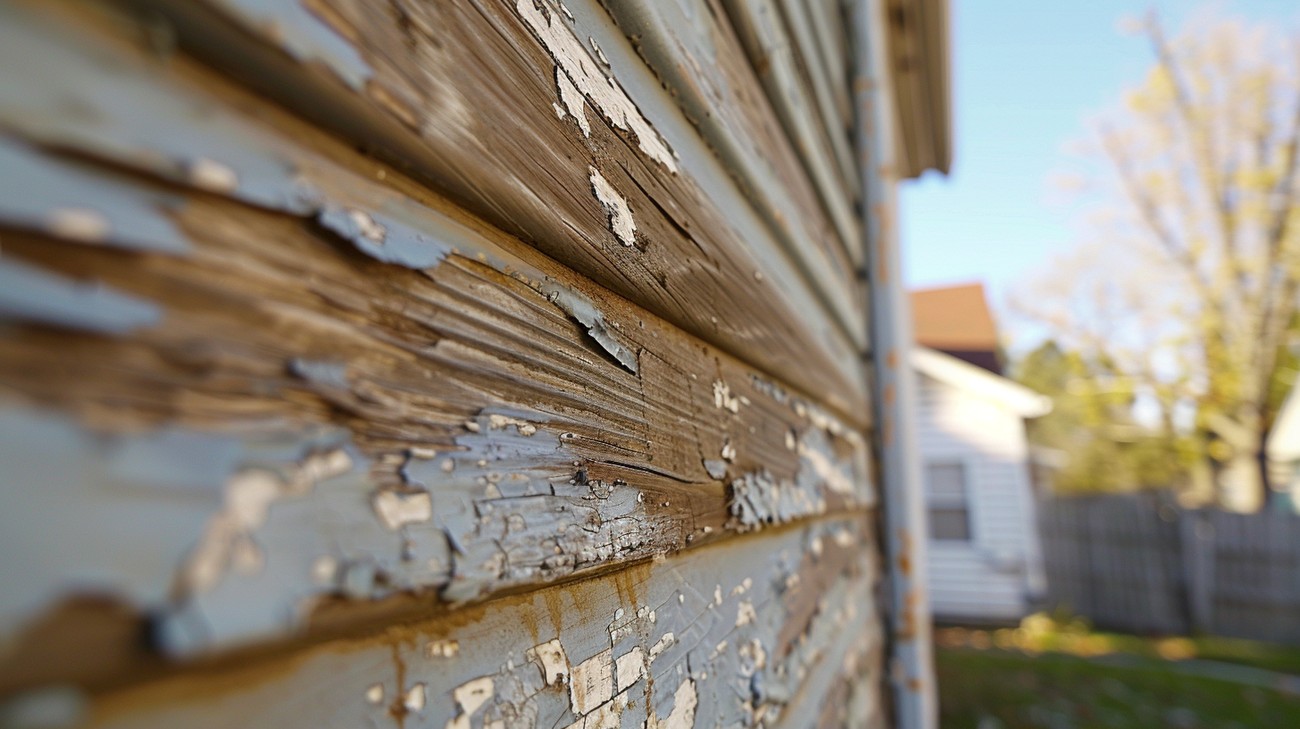
- Chipping and Peeling: Without proper care, the paint can chip and peel, exposing the wood to the elements and further damage.
How to Identify T1-11 Siding Problems
Being proactive in identifying issues can save you money in the long run. Here are some signs your T1-11 siding needs attention:
- Visible Rot: Brown or black spots usually indicate water damage; rot appears soft and can crumble upon touch.
- Surface Mold or Mildew: The presence of mold or mildew on the siding surface can signal moisture issues.
- Cracks and Gaps: Any cracking or gaps in the siding panels suggest possible water infiltration or pest invasion.
- Flaking Paint: Paint that appears flaking or bubbling can indicate underlying moisture issues.
Solutions to Common T1-11 Siding Problems
While the problems associated with T1-11 siding can seem daunting, many solutions are available to combat these issues effectively.
Enhancing Water Resistance
Protecting your T1-11 siding against moisture should be a top priority.
- Sealant Application: Applying a high-quality sealant can help reduce water penetration and prevent rot.
- Gutter Maintenance: Ensure gutters are clog-free and direct water away from the siding.
- Regular Inspections: Conduct inspections after heavy rain to check for water damage signs.
Pest Control Measures
To deter pests, it is crucial to take preventive and remedial actions.
- Chemical Treatments: Use insecticides and wood preservatives to protect T1-11 siding from termites and carpenter ants.
- Regular Exterminator Visits: Consider hiring a professional exterminator for regular checkups and treatments.
Effective Maintenance Practices
Consistent upkeep will significantly enhance the longevity of your siding.
- Repaint Regularly: A fresh coat of paint every few years will protect the siding against weather and decay.
- Immediate Repairs: Fix any chips, cracks, or damaged areas promptly to prevent further deterioration.
Frequently Asked Questions About T1-11 Siding Problems
What are the common durability issues with T1-11 siding?
T1-11 siding, known for its natural wood appearance, can face durability issues primarily due to its susceptibility to weather conditions. Exposure to rain, humidity, and varying temperatures can lead to warping, rotting, and delamination over time. Unlike synthetic or more modern materials, T1-11's wood-based composition makes it vulnerable to these elements, necessitating regular maintenance to ensure longevity.
How do you prevent water damage on T1-11 siding?
Preventing water damage on T1-11 siding requires consistent upkeep and protective measures. Applying a high-quality paint or sealant can create a moisture barrier, preventing rain and humidity from penetrating the siding. Additionally, proper installation techniques, such as ensuring adequate caulking around seams and joints, and maintaining a sufficient distance from the ground, can significantly reduce the risk of water damage.
Is termite infestation a common problem with T1-11 siding?
Yes, termite infestation can be a common problem with T1-11 siding due to its wood composition. Termites are naturally attracted to wood, and without proper treatment, they can wreak havoc on your siding. Using termite-resistant materials or treatments, maintaining a dry environment, and regular inspections can help mitigate the risk of termite infestations efficiently.
What signs of rot should I look for in T1-11 siding?
When checking for signs of rot in T1-11 siding, look for areas of discoloration, softness, and flaking. Rot often starts from the bottom of the siding, where moisture is likely to collect. Keep an eye out for any musty odors or the presence of mold or mildew, as these are tell-tale signs that rot may be present, indicating the need for immediate attention and repairs.
How often should T1-11 siding be repainted to avoid problems?
To prevent problems, it's generally recommended to repaint T1-11 siding every 3 to 5 years. This frequency helps maintain a protective barrier against the elements, reducing the risk of rot, water damage, and UV exposure. However, if your home is located in a region with extreme weather conditions, you may need to repaint more frequently to ensure optimal protection.
Can improper installation exacerbate T1-11 siding issues?
Improper installation can indeed exacerbate T1-11 siding issues. If T1-11 panels are not properly sealed, spaced, or nailed, moisture can easily seep in and cause a host of problems like warping and rotting. Ensuring that materials like flashing and waterproof barriers are correctly applied during installation is essential to prevent future complications.
Are there maintenance tips to keep T1-11 siding in good condition?
To keep T1-11 siding in good condition, regular maintenance is key. Clean the siding at least once a year with a gentle pressure wash to remove dirt and debris. Inspect your siding for any signs of damage or rot, and address issues promptly. Re-apply paint or sealant as needed to provide a robust defense against weather conditions. Trimming nearby vegetation can also prevent moisture and pests from damaging the siding.
How do weather conditions impact T1-11 siding performance?
Weather conditions significantly impact the performance of T1-11 siding. Wet climates can increase the likelihood of rot and mold, while dry, hot conditions might cause the wood to crack or warp. Seasonal changes, with their freeze-thaw cycles, can further stress the material. It's vital to ensure your siding is adequately protected and maintained to withstand these varying climate challenges.
Why does T1-11 siding sometimes delaminate?
Delamination occurs in T1-11 siding when the layers of wood begin to separate, often due to prolonged exposure to moisture. This issue usually arises from inadequate sealing or a failure in the siding’s protective coatings. Without protection, water can penetrate the layers, causing them to pull apart and compromise the structural integrity of the siding.
How can one repair small damages on T1-11 siding?
To repair small damages on T1-11 siding, start by cleaning the affected area to remove dirt and debris. For minor scratches or gouges, use a wood filler that matches your siding. Once filled, sand the area to ensure a smooth surface, then prime and paint it to blend seamlessly with the rest of the siding. Routine checks and minor repairs can extend the life of your T1-11 siding.
Is replacing T1-11 siding costly compared to its maintenance?
Replacing T1-11 siding can be more costly compared to regular maintenance. Routine upkeep can prolong the life of the siding and prevent costly repairs or replacements. However, if the siding has suffered extensive damage beyond repair, replacement might be unavoidable. Assessing the damage early and investing in regular maintenance can help avoid the more significant expense of full replacement.
Troubleshooting Guide
1. Warping and Buckling
Symptoms: Noticeable distortion in the siding, with panels bending outward or inward.
Likely Causes: This typically occurs due to improper installation, excessive moisture exposure, or extreme temperature fluctuations.
Step-by-step Fixes:
- Check if the panels were installed with the proper spacing for expansion and contraction. If not, reinstall.
- Look for signs of water damage or leaks in gutters and downspouts near the area.
- Secure any loose panels and ensure fasteners are appropriate for the material and weather conditions.
When to Call a Professional: If extensive areas are warped or if you're unsure about how to correctly reinstall panels.
Prevention Tips: Ensure correct spacing during installation and maintain a consistent weather barrier to prevent moisture intrusion.
2. Rot and Decay
Symptoms: Soft spots on the siding, discoloration, and a musty smell.
Likely Causes: Prolonged exposure to moisture and failure of protective finish.
Step-by-step Fixes:
- Identify and replace all damaged and decaying panels.
- Treat the area with a wood preservative to stop further decay.
- Reapply a protective sealant or paint to the siding.
When to Call a Professional: If rot has spread extensively or damaged structural elements of your home.
Prevention Tips: Regularly reseal or paint siding to protect it from moisture, and redirect rainwater away from the exterior.
3. Insect Infestation
Symptoms: Small holes or tunnels in the siding, sawdust-like material, and visible insects.
Likely Causes: Termites, carpenter ants, or wood-boring beetles attracted to untreated or exposed wood.
Step-by-step Fixes:
- Identify the type of insect and purchase the appropriate treatment.
- Treat the affected area with insecticides or wood preservatives.
- Replace any structurally unsound panels.
When to Call a Professional: If the infestation is extensive and might have affected the structural integrity of your home.
Prevention Tips: Apply insect repellents and keep the wood finish intact. Regularly inspect for signs of pests.
4. Cracking and Splitting
Symptoms: Visible cracks or splits in the siding panels.
Likely Causes: Exposure to harsh weather, poor quality material, or physical damage.
Step-by-step Fixes:
- Clean the affected area to remove any dirt and debris.
- Use a wood filler or appropriate patching compound to fill small cracks.
- Replace severely damaged panels.
When to Call a Professional: If cracks are extensive or you’re unable to match the patching compound to the siding color and texture.
Prevention Tips: Use high-quality siding materials and apply a finish to protect against environmental factors.
5. Fading and Discoloration
Symptoms: Uneven color, fading, or chalky residue on the siding surface.
Likely Causes: Sun exposure, pollution, or the natural weathering process.
Step-by-step Fixes:
- Clean the siding with a gentle detergent and water to remove surface dirt.
- Apply a color restorer or repaint the siding if cleaning doesn’t restore color.
- Consider applying a UV-protective finish to prevent future fading.
When to Call a Professional: If you're unsure of the repainting process or if the discoloration is due to underlying issues.
Prevention Tips: Regular maintenance with cleaning and UV protective treatments can extend the life of your siding's color.
6. Mold and Mildew Growth
Symptoms: Black, green, or white patches on the siding. Likely Causes: High humidity, lack of sunlight, and moisture retention on siding surfaces. Step-by-step Fixes: When to Call a Professional: If mold and mildew are widespread or you're dealing with recurrent issues. Prevention Tips: Trim trees and bushes to allow sunlight on the siding, and maintain good ventilation around the home perimeter. Regularly clean and inspect your siding.
Common Mistakes to Avoid
1. Improper Installation
Improper installation is perhaps the most common mistake with T1-11 siding. It can happen because installers might ignore the manufacturer's guidelines or lack experience.
Why it happens: Misunderstanding installation instructions or rushing the job often leads to incorrect placement, inadequate nailing, and poor alignment.
How to avoid it: Always follow the manufacturer's instructions carefully. Take your time to ensure each sheet is aligned and fastened properly. Watching tutorial videos or consulting with experienced professionals can provide additional guidance.
What to do if you've already made the mistake: Inspect the siding for any signs of misalignment or gaps. If necessary, remove and reattach sheets using the correct methods. Seek guidance from a professional if the problem seems extensive.
Expert recommendation: Hire a certified contractor with proven experience in installing T1-11 siding to ensure proper installation from the start.
2. Ignoring Moisture Control
Moisture issues can lead to swelling, warping, and eventually, decay in T1-11 siding.
Why it happens: Homeowners or installers may underestimate the necessity of moisture barriers or not account for the climate and weather exposure.
How to avoid it: Always use a high-quality moisture barrier and ensure all sealing and caulking is properly applied. Consider the local climate and choose a siding treatment that's best suited for your area.
What to do if you've already made the mistake: If your siding shows signs of moisture damage, identify and repair any leaks. Re-seal the areas accurately and replace sections if necessary.
Expert recommendation: Regularly inspect your siding for any signs of moisture intrusion and take immediate action if any problems are found.
3. Insufficient Painting or Staining
Neglecting to paint or stain T1-11 siding can leave it vulnerable to the elements.
Why it happens: Painting or staining might be skipped due to oversight or in an attempt to cut costs.
How to avoid it: Factoring painting or staining into your plans from the start will help ensure you’re prepared for this essential step. Choose high-quality exterior paint or stain and apply it according to the product guidelines.
What to do if you've already made the mistake: If your siding is already exposed without protection, clean and dry the surface, then apply a weather-resistant paint or stain promptly.
Expert recommendation: Make repainting or restaining part of your regular home maintenance schedule to prolong the life of your T1-11 siding.
4. Improper Nailing Techniques
Incorrect nailing can compromise the structural integrity of T1-11 siding.
Why it happens: This can occur due to insufficient knowledge or the use of the wrong tools. Nails may be overdriven, underdriven, or placed too far apart.
How to avoid it: Use the recommended nails and ensure they are driven flush with the surface, not over-sinking or protruding.
What to do if you've already made the mistake: Inspect the siding for improperly fastened nails. Remove and correctly replace nails where necessary, ensuring they are appropriately spaced and driven.
Expert recommendation: Use a pneumatic nail gun, if possible, to ensure consistency in nailing depth and placement.
5. Overlooking Regular Maintenance
Failing to perform routine checks and maintenance can lead to bigger issues over time.
Why it happens: Many homeowners are unaware of the maintenance required for T1-11 siding or overlook it due to their busy schedules.
How to avoid it: Set a calendar reminder for seasonal maintenance checks. Look for signs of wear, damage, or mildew and address problems promptly.
What to do if you've already made the mistake: Start a maintenance routine immediately. Thoroughly clean and inspect your siding and make any repairs as needed.
Expert recommendation: Schedule yearly professional inspections to catch problems early and ensure the siding's longevity.
6. Overlooking Flashing
Flashing plays a crucial role in directing water away from your home, and neglecting it can result in water infiltration.
Why it happens: Flashing might be forgotten during installation or overlooked because it’s not immediately visible.
How to avoid it: Make sure to install flashing around windows, doors, and rooflines during the initial installation phase.
What to do if you've already made the mistake: Check for areas where flashing may be missing and install it as needed to prevent future water damage.
Expert recommendation: Consult with a professional to properly install and inspect flashing to safeguard against water-related issues.
Final Thoughts
Recognizing the signs of t1-11 siding problems early can save you a lot of hassle down the line, especially in our rainy climate here in Bellevue, WA. Whether it’s the wear from moisture, pest infestations, or just general deterioration, staying ahead of these issues ensures your home remains protected. Regular inspections and maintenance are key, along with knowing when it’s time to call in the professionals.
If you’re concerned about the condition of your T1-11 siding or need guidance on the best course of action, we're here to help. At New Day Construction, we specialize in siding solutions tailored to our local climate and your home’s unique needs. Don’t hesitate to reach out for a consultation or a free estimate; we’re committed to ensuring your home stays safe and beautiful for years to come.

