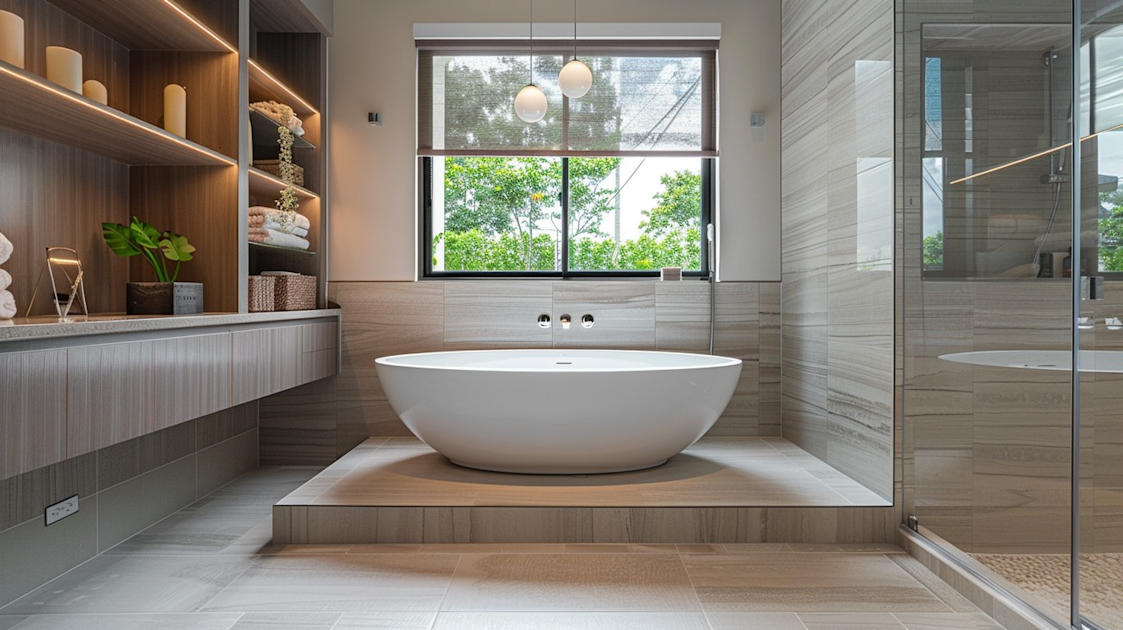


Transforming your bathroom space can increase both functionality and aesthetic appeal, and one of the most impactful changes is converting a bathtub into a shower. But, the burning question remains: what does a tub to shower conversion cost? In this detailed guide, we will explore all aspects of this popular home renovation, helping you understand the financial outlay and offering tips to manage those expenses.
Understanding the Basics
Before diving into the costs, it's important to outline what a tub to shower conversion involves. Essentially, this project replaces an existing bathtub with a shower stall or enclosure. This change can enhance accessibility, save space, and modernize your bathroom. Depending on your specific needs, the conversion can range from a simple swap to a complex remodel requiring plumbing adjustments and custom fittings.
Factors Affecting Costs
Several elements impact the overall expense of converting a tub to a shower. Let's break down these factors:
Type of Shower
Prefab Shower Kits
Prefabricated shower kits are budget-friendly and come in various designs and finishes. They range from $200 to $2,000 depending on material and size.Custom Tile Showers
Custom tile showers, offering a luxurious finish, can be pricier. They generally fall between $1,000 and $3,000 or more, depending on the choice of tiles and design complexity.
Labor Costs
Labor constitutes a significant portion of the conversion cost. Depending on the local rates and project complexity, you might pay between $1,000 and $5,000 for professional services. This includes demolition, plumbing modifications, and installation.
Plumbing Modifications
Converting from a tub to a shower often requires reworking plumbing lines, which can add $500 to $1,000 or more to the budget. The actual cost depends on your bathroom's existing layout and how much change is necessary.
Fixtures and Accessories
Essential fixtures such as showerheads, faucets, and glass doors can vary greatly in price. Expect to spend between $200 and $800 on these items. Luxury options can drive up the cost significantly.
Additional Enhancements
Consider incorporating features like seating, handles for safety, or specialty lighting. These add-ons can enhance the shower experience but will also vary your total cost.
- Shower seating: $200 - $500
- Built-in niches for storage: $250 - $750
- Safety grab bars: $50 - $300
Cost Estimations
Budget-Friendly Conversion
If you're working on a tight budget, opting for a prefabricated shower kit with basic fixtures might keep your project cost within a $1,500 to $3,000 range.
Mid-Range Renovation
A mid-range conversion involving higher-end prefabricated kits or simple custom tile work, and mid-tier fixtures, will likely range from $3,000 to $5,500.
High-End Remodel
For a comprehensive transformation featuring luxury finishes, custom tile work, and high-end fixtures, prepare to invest $6,000 to $10,000 or even more.
Tips for Managing Costs
Converting a tub to a shower can be done economically with careful planning. Here are some tips to help manage your investment:
- Set a Realistic Budget: Assess what you can afford and plan accordingly.
- Obtain Multiple Quotes: Solicit estimates from several contractors to ensure competitive pricing.
- Prioritize Needs Over Wants: Focus on essential features first, then add enhancements as the budget allows.
- Consider Doing It Yourself: If you have the skills, taking on parts of the project yourself can save labor costs.
Tub to Shower Conversion Cost FAQ
How much does it typically cost to convert a tub to a shower?
The cost to convert a tub to a shower can vary significantly based on several factors, but on average, homeowners can expect to spend between $1,200 and $8,000 for a standard conversion. The price variation is due to factors such as the choice of materials, the complexity of the project, and geographical location. Labor costs are a significant component of the total expense, and local rates can influence the overall conversion cost. Additionally, any unforeseen plumbing issues, or requirements for specialized fixtures can lead to higher costs.
What factors influence the cost of converting a bathtub into a shower?
Several elements determine the cost of a tub to shower conversion. The primary factors include the size and type of shower you wish to install, the quality and type of materials selected (for example, tiles, glass doors, and fixtures), and any additional features or customizations. Labor costs also vary depending on the expertise required and the region you live in. If plumbing modifications are necessary or if any structural changes are needed in the bathroom layout, it can further increase the cost of the conversion.
Are there budget-friendly options for tub to shower conversions?
Yes, there are several budget-friendly options available for those looking to minimize tub to shower conversion expenses. One of the most affordable methods is using a prefabricated shower kit, which can reduce both material and labor costs. These kits are easier and quicker to install, making them a practical choice for budget-conscious homeowners. Additionally, opting for acrylic or fiberglass materials instead of high-end tiles or custom fixtures can also help keep costs down while still achieving an upgraded bathroom look.
How does the choice of materials impact the cost of a tub to shower conversion?
The choice of materials plays a significant role in the overall cost of a tub to shower conversion. Higher-end materials such as natural stone tiles, frameless glass enclosures, and high-end fixtures can significantly increase expenses. On the other hand, choosing affordable materials like fiberglass or acrylic panels can help keep the project within a reasonable budget. While luxury materials can elevate the aesthetics and potentially increase the home's resale value, they aren't necessary to achieve a functional and visually appealing shower area.
Is it cheaper to convert a tub to a shower if I do it myself?
Converting a tub to a shower yourself can indeed be more cost-effective, as you save on labor costs which constitute a large portion of the project expense. However, DIY conversions require a certain level of expertise and familiarity with plumbing and construction works. Mistakes can lead to costly repairs and potential damage. If you have the necessary skills and tools, going the DIY route can save money, but for most people, hiring a professional might be the more practical option to ensure a quality and hassle-free installation.
How long does it usually take to complete a tub to shower conversion?
A standard tub to shower conversion generally takes between two to five days to complete, although this can vary depending on the complexity of the project and the availability of materials. Straightforward installations using prefabricated kits are usually quicker, while custom designs that involve extensive plumbing or structural changes might take longer to finish. Timely completion also depends on the contractor's schedule and any unforeseen issues that may arise during the renovation process. Proper planning and clear communication with your contractor can help ensure a smooth and efficient conversion.
Do I need a permit for a tub to shower conversion, and how does it affect the cost?
Permits are sometimes required for a tub to shower conversion, depending on local building codes and the extent of the renovation work involved. Activities such as moving plumbing lines or changing electrical wiring typically necessitate a permit. Obtaining the appropriate permits can add to the overall conversion cost, but they are essential for ensuring that your project meets safety and regulatory standards. To avoid legal issues and ensure the quality of work, it's advisable to check with your local building authority or consult your contractor to determine if permits are necessary for your specific project.
Cost Breakdown
Typical Price Ranges
The total cost for a tub-to-shower conversion typically ranges from $1,200 to $8,000. On the lower end, at around $1,200 to $3,500, you might use a prefabricated shower kit, which makes installation a bit simpler. These kits include walls, a base, and a door, making them both budget-friendly and convenient. On the upper end, from $4,500 to $8,000, you may opt for a fully custom shower, which involves more expensive materials and labor due to the additional design and installation work.
Factors That Affect Cost
Several key factors can impact the overall cost of your project:
Materials: The type of materials you choose significantly affects your budget. Acrylic or fiberglass are more affordable, while tile, stone, or custom glass can drive up costs.
Labor: Labor costs can vary depending on the region and the complexity of the job. If you're tiling or adjusting plumbing, expect higher labor fees.
Current Bathroom Layout: If the shower will occupy the same space as your tub, costs are lower. Major layout changes requiring plumbing relocation or structural adjustments will increase costs.
Features and Add-ons: Extras like built-in seating, high-end fixtures, custom lighting, or advanced shower heads can add significantly to the cost.
Permits and Design Fees: Some projects may require permits or professional design services, particularly if they're part of a larger renovation.
Cost Comparison (Budget vs Premium Options)
In the budget category, with prices ranging from $1,200 to $3,500, you might anticipate using basic materials and fixtures. Prefabricated shower kits are popular here, saving time and reducing labor costs.
For premium options, expenses can go from $4,500 to over $8,000. You get access to high-end materials, custom designs, and additional challenges tackled by expert designers. A premium project might incorporate luxury showerheads, frameless doors, and exquisite tiling, reflecting both quality and opulence.
Hidden Costs to Consider
When planning your tub-to-shower conversion, watch out for hidden costs:
Water Damage Repair: Once the tub is removed, you may discover water damage, requiring additional repairs. This can add $200 to $1,000 to your costs, depending on severity.
Structural Issues: Any unexpected issues like mold remediation or structural reinforcements may come with a bill of $500 to $2,500.
Upgrade Needs: Old plumbing might not suit a new shower, necessitating upgrades that could cost an extra $300 to $1,000.
Ways to Save Money
There are several strategies to keep your renovation cost-effective:
Final Thoughts
Understanding the tub to shower conversion cost is essential for homeowners considering an update to their bathroom. By weighing the materials, labor, and any additional features you desire, you can make an informed decision that not only fits your budget but also enhances your home’s value. A seamless transition from a tub to a shower can transform your space and align it with your lifestyle, especially for those of us here in Bellevue, WA, where modern convenience meets comfort.
If you’re thinking about taking the plunge, we're here to help. Our team at New Day Construction specializes in making these conversions smooth and stress-free, ensuring you get the most out of your investment. We invite you to reach out to us for a consultation or to request a free estimate, so we can guide you through the process and create the perfect shower that suits your needs.


