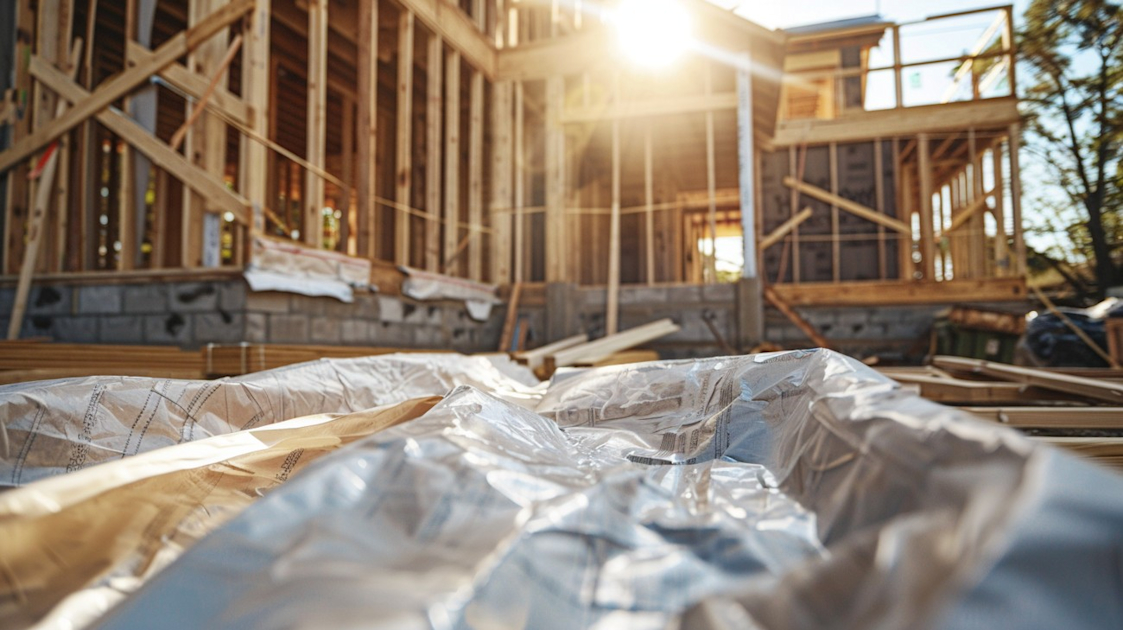


Tyvek house wrap is a revolutionary material in the construction industry that plays a crucial role in protecting homes from the elements while enhancing their energy efficiency. Developed by DuPont, Tyvek is a brand known for its high-performance building materials. Tyvek house wrap, in particular, is designed to act as a protective barrier that keeps out the elements while allowing the house to breathe.
Understanding House Wraps
House wraps are synthetic materials used to protect buildings from moisture infiltration. They create a weather-resistant barrier that prevents rain and snow from penetrating the exterior walls of a house. Unlike traditional materials like tar paper, modern house wraps like Tyvek provide superior protection and energy efficiency.
The Unique Features of Tyvek
Tyvek house wrap stands out in the market for its innovative features and benefits. It's crafted from high-density polyethylene fibers, making it lightweight yet durable. This construction allows Tyvek to perform several critical functions:
- Water Resistance: Keeps rain and snow out while allowing moisture vapor to escape.
- Breathability: Permits moisture vapor to pass through, preventing mold and rot.
- Energy Efficiency: Enhances the insulating properties of a home by reducing air leakage.
The Benefits of Using Tyvek House Wrap
One of the most significant advantages of using Tyvek house wrap is its ability to balance water resistance with breathability. This dual capability ensures that homes remain dry, reducing the risk of moisture-related issues like mold growth and structural damage. Here are some more benefits in detail:
Moisture Management
Tyvek is engineered to prevent water intrusion, keeping rain and snow from seeping into the walls. Its breathable nature allows moisture vapor to escape, preventing damp conditions that could lead to mold or rot. This feature is critical in regions with high humidity or frequent rainfall.
Improved Energy Efficiency
By minimizing air infiltration, Tyvek house wrap helps keep homes warm in the winter and cool in the summer. This results in lower energy bills, as heating and cooling systems don't have to work as hard to maintain a comfortable indoor environment.
Durability and Longevity
Tyvek house wrap is designed to withstand the harshest weather conditions without deteriorating. Its robust construction ensures it will provide long-lasting protection against the elements, making it a cost-effective choice for homeowners and builders.
Installing Tyvek House Wrap
The installation of Tyvek house wrap is a straightforward process, but it requires attention to detail to ensure maximum effectiveness. Proper installation is key to reaping the benefits of this remarkable material. Here are some steps to consider:
- Surface Preparation: Ensure that the surface of the structure is free from debris and sharp objects that could puncture the wrap.
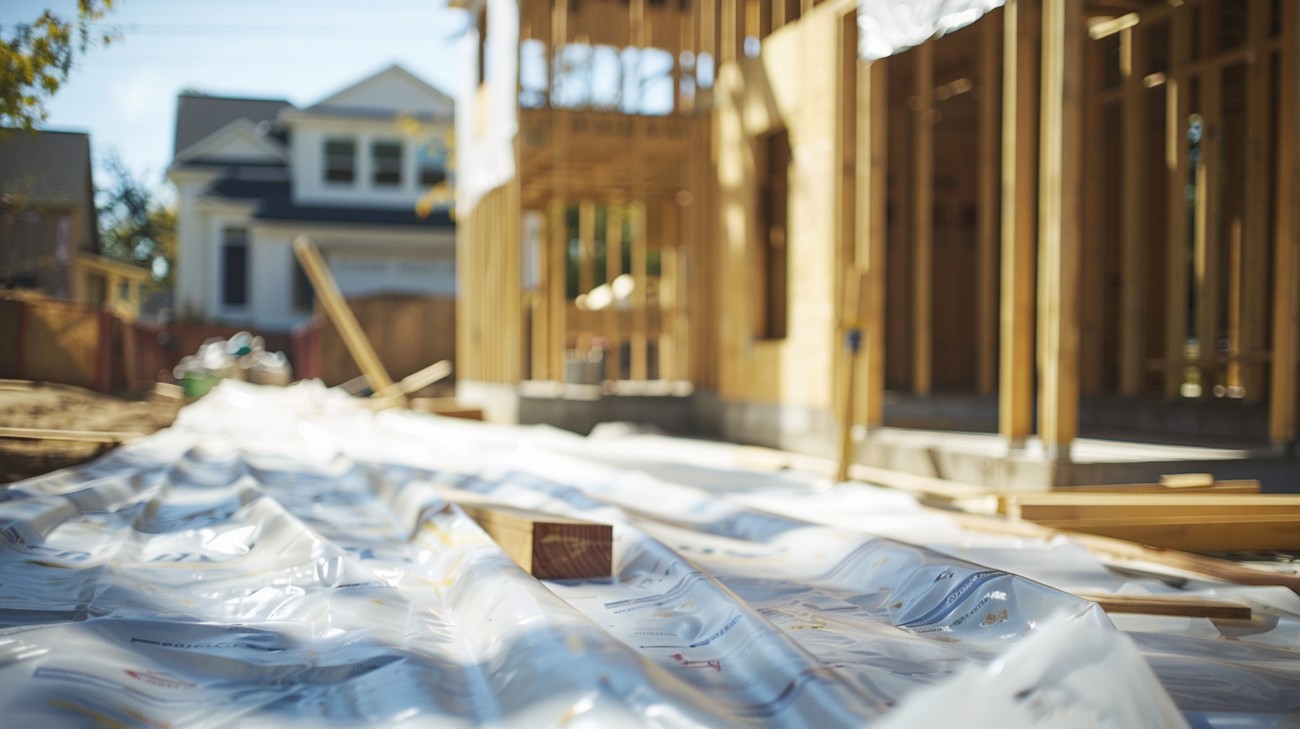
- Cut and Apply: Roll out the Tyvek house wrap horizontally across the walls, overlapping seams. Secure it with staples or nails through the provided nailing flanges.
- Seal the Edges: Use construction tape to seal all edges, seams, and openings for windows and doors to prevent air and water infiltration.
A meticulous installation process ensures that the house wrap performs optimally, contributing to the overall efficiency and protection of the home.
Tyvek vs. Traditional Materials
When comparing Tyvek to traditional house wrap materials like asphalt felt, several factors highlight Tyvek's superiority:
- Weight and Ease of Use: Tyvek is lightweight, making it easier to handle and install than heavier asphalt-based materials.
- Durability: Unlike felt, Tyvek won't tear or fall apart easily under harsh conditions.
- Performance: Offers superior resistance to water and allows moisture vapor to pass through, an essential feature in preventing mold and mildew.
Given these advantages, it’s no wonder Tyvek has become a preferred choice for builders and homeowners alike.
Applications for Tyvek House Wrap
Tyvek house wrap isn't just for residential homes; it’s also beneficial for various types of buildings, including:
- Commercial Structures: Protects office buildings and commercial premises from weather-related damage.
- Multi-Family Housing: Provides a layer of protection for apartments and condominiums, ensuring long-term durability and comfort for residents.
Using Tyvek across a range of building types highlights its versatility and effectiveness as a protective barrier.
The Environmental Impact of Tyvek
Choosing sustainable building materials is increasingly important in today's world. Tyvek house wrap aligns well with these environmental considerations. It contributes to energy efficiency, reducing overall energy consumption. Additionally, Tyvek is recyclable, minimizing its impact on landfills after its lifecycle ends.
Frequently Asked Questions About Tyvek House Wrap
How does Tyvek house wrap work?
Tyvek house wrap works by serving as a protective barrier that helps seal the building envelope and protect it from moisture and air infiltration. Made from high-density polyethylene fibers, Tyvek house wrap is engineered to let water vapor escape while blocking wind and rain, which can lead to mold growth and structural instability. By wrapping the house, it acts as an energy-efficient solution that enhances the durability of the building structure.
Why should I use Tyvek house wrap instead of other types?
Choosing Tyvek house wrap over other types offers several benefits that are rooted in its advanced engineering and high-performance design. Unlike some other house wraps, Tyvek is permeable, meaning it allows walls to breathe, which helps prevent moisture build-up that can damage structural elements over time. Tyvek house wrap also provides excellent resistance to UV exposure and harsh weather conditions, which extends the lifespan of the wrap and maintains its effectiveness as a moisture barrier.
Is Tyvek house wrap waterproof?
Tyvek house wrap is not entirely waterproof, but it's water-resistant. Its design is meant to protect buildings by repelling rainwater and allowing any moisture that does come through to evaporate. This unique property helps prevent leaks while ensuring that moisture trapped inside can escape, reducing the risk of mold growth and water damage to the structure underneath. The balance of water-resistance and breathability is what makes Tyvek house wrap highly effective.
Can I install Tyvek house wrap myself?
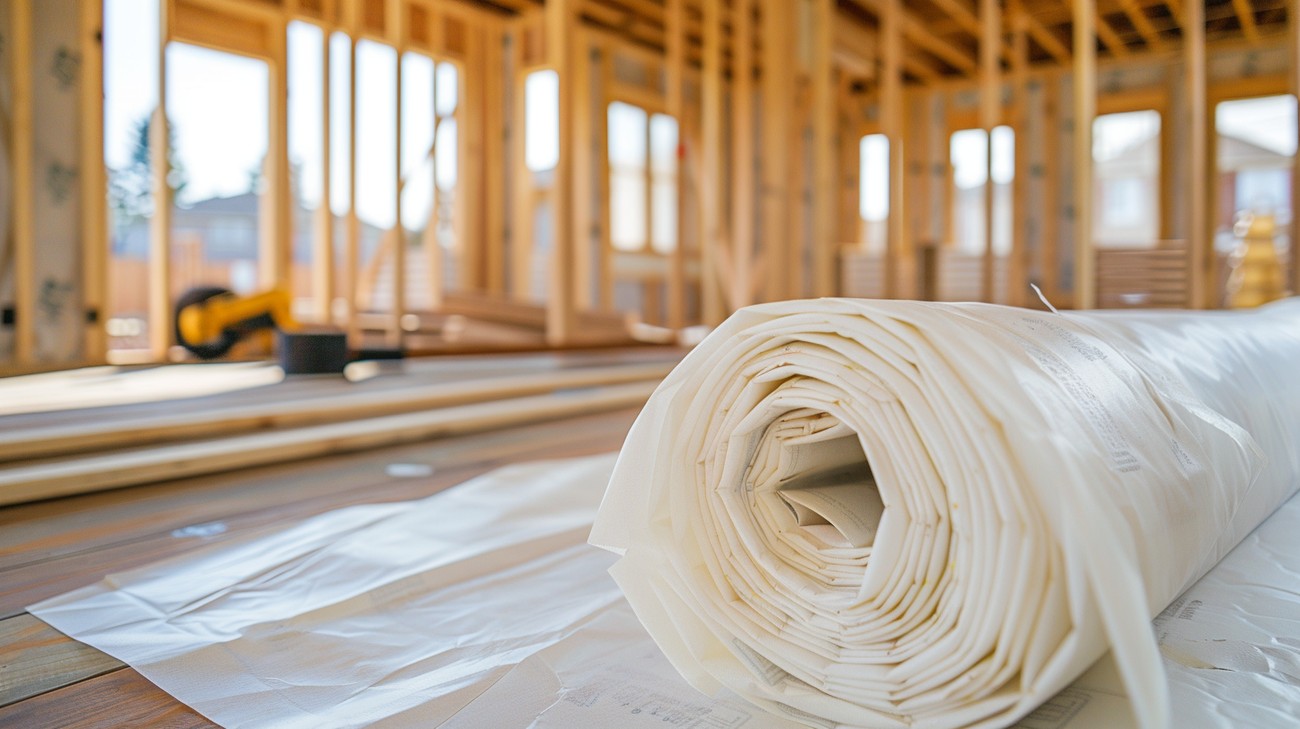
Installing Tyvek house wrap can be a DIY project if you are comfortable with general construction practices, but it requires meticulous attention to detail. Make sure to wrap the entire building envelope without gaps to ensure a continuous barrier against air and moisture. Ensure proper overlapping of the Tyvek sheets at the seams and use the appropriate adhesive tape to seal openings around windows, doors, and penetrations effectively. If you're not confident in your skills, hiring a professional might be the best choice to avoid compromising building protection.
What tools are needed to install Tyvek house wrap?
To successfully install Tyvek house wrap, you'll need a few essential tools. A utility knife or scissors is needed for cutting the wrap to size. Secure it with staples, a hammer stapler, or roofing nails and use Tyvek tape to seal seams and edges. A ladder is necessary for reaching higher parts of the wall, and a chalk line helps in aligning the wrap consistently. Successfully installing Tyvek house wrap involves careful measurement, cutting, and sealing, so having the right tools ensures a smooth process.
Can Tyvek house wrap be used in conjunction with other insulation materials?
Yes, using Tyvek house wrap alongside other insulation materials can enhance the overall energy efficiency of a building. While Tyvek house wrap serves as an excellent air and moisture barrier, pairing it with traditional insulation materials adds an extra layer of thermal resistance. This combination helps maintain indoor comfort and reduces energy consumption for heating and cooling. It's essential, however, to ensure that the insulation materials don't interfere with the breathability of the Tyvek house wrap to avoid moisture issues.
How long does Tyvek house wrap last once installed?
Tyvek house wrap is designed for long-term durability. It can last several decades, often exceeding the lifespan of many building components, as long as it's installed correctly and not exposed to prolonged direct sunlight before the exterior cladding is put in place. The ultraviolet (UV) resistance in the Tyvek house wrap ensures that it maintains its effectiveness even in diverse climates. If properly maintained and protected by siding or other exterior materials, Tyvek house wrap remains an integral part of the building's protection system for many years.
Does Tyvek house wrap require maintenance after installation?
Typically, Tyvek house wrap does not require ongoing maintenance once properly installed and covered by siding or other finishing materials. Its primary maintenance requirement involves checking that the siding is intact and free from openings or damage that could expose the Tyvek house wrap to UV light or other damaging elements. Any structural modifications to the house might necessitate inspecting and potentially repairing the wrap to ensure it continues providing an effective barrier against moisture and air.
Is Tyvek house wrap environmentally friendly?
Tyvek house wrap is environmentally friendly as it contributes to energy efficiency by reducing the building's need for heating and cooling, which lowers overall energy consumption. Additionally, DuPont, the manufacturer of Tyvek, is committed to sustainability practices, producing Tyvek materials with minimal waste and recyclable content. By ensuring structures are well-protected and energy-efficient, Tyvek house wrap plays a role in reducing a building's environmental footprint.
Pros & Cons of Tyvek House Wrap
Pros
Excellent Moisture Barrier
Tyvek is renowned for its ability to act as an effective moisture barrier. It helps keep rain and snow out while allowing water vapor to escape, which is crucial for preventing mold and mildew inside the walls of your home. This feature is particularly beneficial if you live in a region with a lot of precipitation.
Breathability
One of the standout features of Tyvek is its breathability. It allows water vapor to pass through, but not liquid water. Imagine it as the high-tech jacket of house wraps — it keeps the wet stuff out while letting moisture escape, preventing unwanted moisture buildup inside your home.
Energy Efficiency
Because Tyvek helps seal your home against air infiltration, it can reduce energy costs by making your heating and cooling systems work more efficiently. It acts as an extra layer of insulation, reducing drafts and helping to maintain a consistent indoor temperature.
Durable and Long-lasting
Tyvek’s material strength means it’s less likely to tear or wear down quickly, giving homeowners peace of mind that it will perform well over the long haul. It stands up well to job site rigors and offers a dependable life expectancy.
Easy Installation
Contractors and DIY enthusiasts often appreciate how easy Tyvek is to install. It’s lightweight, flexible, and can be applied quickly, saving time and effort on the construction site. Its ease of use translates into lower labor costs if you’re hiring professionals to do the installation.
Resistance to Pests and Insects
Tyvek house wrap acts as a barrier to insects and pests, preventing them from making a cozy home between walls. This can reduce the chances of termite damage or other pest-related issues that could otherwise lead to costly repairs down the road.
Cons
Initial Cost
One potential downside is that Tyvek can come with a higher upfront cost compared to other house wraps on the market. If you're working with a tight budget, this might be a point of concern. However, consider the long-term savings in energy efficiency and damage prevention when weighing the initial investment.
Requires Careful Installation
To maximize its benefits, Tyvek needs to be installed correctly. Improper installation can lead to reduced effectiveness as a moisture barrier and air sealant, so it’s crucial that whoever is doing the installation follows manufacturer guidelines closely.
Not a Substitute for Insulation
While Tyvek does help with energy efficiency, it's not a substitute for proper insulation. Some homeowners misunderstand its capabilities, thinking it will handle all aspects of thermal protection, which could lead to under-insulating their homes.
Potential for Vapor Drive Issues
In certain climates, if not paired with the right insulation and ventilation systems, Tyvek can potentially contribute to vapor drive issues. This refers to scenarios where moisture gets pushed into the building envelope due to temperature differences, potentially leading to condensation inside walls.
Vulnerability to UV Exposure
Over time, Tyvek can degrade if left exposed to direct sunlight for long periods before being covered by siding. This isn’t typically an issue, as it’s meant to be a temporary layer, but delays in construction could necessitate additional care or replacement if UV exposure becomes prolonged.
Final Thoughts
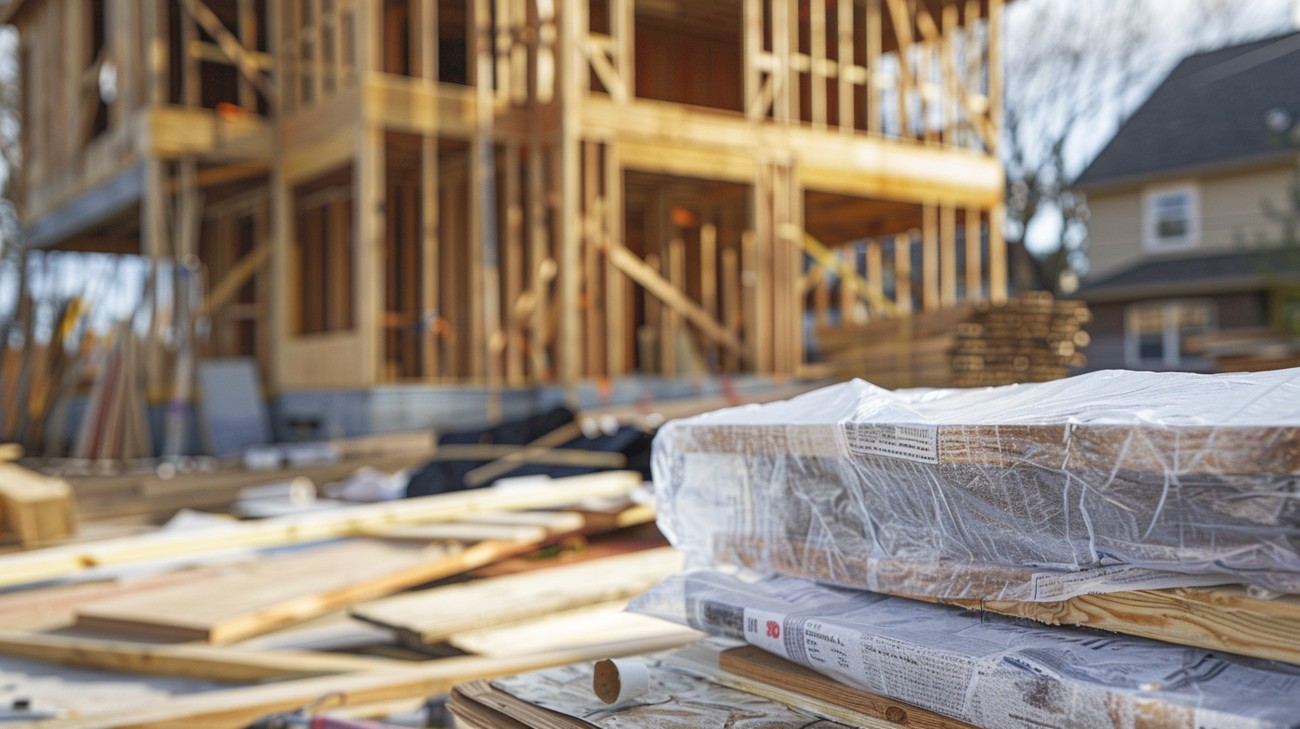
Understanding the benefits of tyvek house wrap can make a significant difference in the energy efficiency and durability of your home. It acts as a vital barrier against moisture while allowing your walls to breathe, which is especially important for homes in our wet climate here in Bellevue, WA. By investing in quality wrapping, you not only protect your property but also enhance its overall performance and longevity.
At New Day Construction, we’re dedicated to helping homeowners maximize their homes' potential. If you're considering upgrading your home's insulation and moisture protection, we'd love to chat about how tyvek house wrap can fit into your project. Feel free to reach out to us for a consultation or to request a free estimate—we’re here to support you every step of the way.


