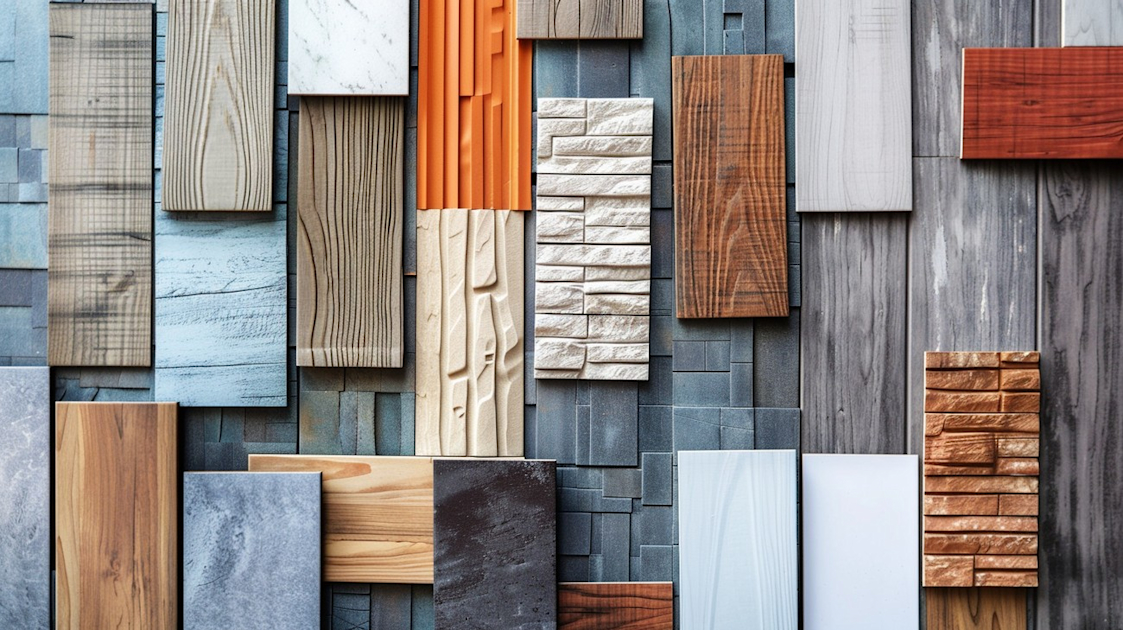


When it comes to exterior home renovations, siding is one of the most crucial elements to consider. Not only does it provide comfort and protection against the elements, but it also enhances your home's curb appeal. Vinyl siding has been a popular choice for decades because of its affordability and ease of maintenance. However, it isn't the only option available. In this comprehensive guide, we'll explore various vinyl siding alternatives that cater to diverse tastes and functional needs.
Why Consider Alternatives to Vinyl Siding?
Vinyl siding has its merits, but it's essential to evaluate other materials for several reasons. Homeowners might seek alternatives due to aesthetic preferences, environmental concerns, or the desire for a more durable or unique exterior. Additionally, exploring various materials can lead to discovering a perfect fit for the architectural style and climate of your area.
Fiber Cement Siding
Fiber cement siding is an excellent option for those seeking durability and a natural appearance. It's made from a mixture of cement, sand, and cellulose fibers, which makes it sturdy and resistant to various environmental factors.
Benefits of Fiber Cement Siding
- Durability: Resistant to rot, insects, and harsh weather conditions.
- Aesthetic Variety: Available in numerous textures and colors, often mimicking wood, stone, or brick.
- Fire Resistance: Naturally non-combustible and can withstand extreme heat.
Considerations for Fiber Cement
While fiber cement siding offers many advantages, its installation can be more labor-intensive and costly than vinyl. Regular maintenance, such as painting every 15-20 years, might also be necessary to maintain its appearance.
Wood Siding
For those aiming for a classic look with a touch of elegance, wood siding stands out as a popular choice. Its charm and natural beauty can enhance any property, making it a sought-after option by many homeowners.
Types of Wood Siding
- Cedar: Known for its resistance to decay and insects.
- Redwood: Offers stability and a distinctive look.
- Pine: A more affordable option with versatile uses.
Maintenance and Durability
Wood siding requires significant maintenance to prevent deterioration. Regular staining or painting can extend its lifespan. It's also important to be cautious of insects and moisture damage, making pre-treatment crucial.
Engineered Wood Siding
Engineered wood siding provides the look and feel of natural wood but with enhanced durability and strength. This innovative material is composed of wood fibers and exterior-grade resins.
Advantages of Engineered Wood
- Cost-Effective: Less expensive than traditional wood siding.
- Customization: Designed to mimic various wood types and textures.
- Sustainability: Generally made from recycled wood fibers, making it eco-friendlier.
Brick and Stone Veneer
Brick and stone veneer offer an upscale, timeless appearance. These materials add depth and elegance to your home's exterior.
Perks of Brick and Stone Siding
- Low Maintenance: Resistant to wear, requiring minimal upkeep.
- Longevity: Can last a lifetime with proper installation.
- Energy Efficiency: Insulate homes effectively, reducing energy costs.
Potential Challenges
The installation process for brick and stone veneer can be complex and pricey. However, the investment can yield significant returns in terms of durability and property value enhancement.
Metal Siding
Metal siding, typically made from aluminum or steel, is known for its robustness and sleek appearance. It is ideal for modern and industrial-style homes.
Benefits of Metal Siding
- Durability: Resistant to fire, insects, and rot.
- Versatility: Available in a range of styles and colors.
- Recyclability: Environmentally-friendly due to easy recyclability.
Considerations
Metal can dent easily and may require occasional painting to prevent rust formation, particularly in coastal or humid areas.
Stucco Siding
Stucco siding provides a unique aesthetic often associated with Mediterranean, Spanish, and Southwestern styles. It's a durable, cement-like coating applied to exterior walls.
Strengths of Stucco Siding
- Seamless Finish: Offers a smooth, gap-free look.
- Adaptability: Can be tinted in a wide range of colors to match any design scheme.
- Energy Efficiency: Acts as an effective insulator, aiding in temperature regulation.
Maintenance
Stucco can crack over time, particularly in areas with significant temperature fluctuations. Regular inspections and timely repairs are essential for maintaining the integrity and appearance of stucco siding.
Frequently Asked Questions About Vinyl Siding Alternatives
What are some popular vinyl siding alternatives for home exteriors?
There are several popular vinyl siding alternatives that homeowners often consider for their exteriors. Among these, fiber cement siding, wood siding, and metal siding stand out. Fiber cement, made from a mixture of cement, sand, and cellulose fibers, is known for its durability and aesthetic appeal, closely mimicking the look of wood. Wood siding, albeit requiring more maintenance, offers natural beauty and rustic charm that many homeowners appreciate. Metal siding, particularly aluminum, provides a modern look with excellent resistance against elements. Each option offers unique benefits, making them worthy substitutes for traditional vinyl siding.
How does fiber cement siding compare to vinyl siding?
Fiber cement siding is an increasingly popular alternative to vinyl siding. It offers superior durability, resistance to fire, and a more natural appearance than vinyl. Unlike vinyl, fiber cement can be painted, allowing homeowners to change the color of their home without replacing the entire siding. It stands up well to weather changes, doesn't warp, and is less prone to damage from temperature extremes. While it tends to be heavier and may require a professional for installation, its strength and low maintenance make it an excellent long-term investment for homeowners seeking vinyl siding alternatives.
Is wood siding a good alternative to vinyl siding in terms of maintenance?
Wood siding can be a beautiful alternative to vinyl siding, offering a classic and timeless appearance. However, it requires more maintenance than vinyl. Homeowners need to commit to regular cleaning, sealing, or painting to preserve its look and protect against the elements. Wood is susceptible to changes in weather, which may lead to warping or rotting if not properly maintained. Despite these challenges, many choose wood siding for its natural aesthetic and the value it adds to a home, making it a viable vinyl siding alternative for those willing to manage its upkeep.
Are there eco-friendly vinyl siding alternatives available?
Yes, homeowners seeking eco-friendly vinyl siding alternatives have several options. Fiber cement is often praised for its environmental benefits as it is made from natural materials. Reclaimed wood siding is another sustainable choice, repurposing materials that would otherwise go to waste. Stucco, made from natural substances like lime, sand, and water, is also eco-friendly and has been used for centuries as an effective and durable siding option. These alternatives not only reduce environmental impact but also provide beautiful, long-lasting options for home exteriors.
How does aluminum siding serve as an alternative to vinyl siding?
Aluminum siding is a lightweight, durable alternative to vinyl siding. It's resistant to fire, pests, and rust, making it a low-maintenance option. Unlike vinyl, aluminum doesn't crack or become brittle in cold climates, adding to its appeal in areas with harsh weather. It's also available in a variety of styles and colors, offering flexibility in design. While it may dent if hit hard, aluminum siding can be painted and repaired relatively easily, making it a popular choice for those looking to move away from traditional vinyl siding.
What are the cost differences between vinyl siding alternatives and traditional vinyl siding?
The cost of vinyl siding alternatives varies widely depending on the material. Fiber cement and wood siding typically cost more upfront compared to vinyl but offer greater longevity and less frequent need for replacement. Aluminum siding falls somewhere in between, often priced similarly to vinyl but potentially requiring less maintenance over time. While the initial investment might be higher for some alternatives, their durability and aesthetic advantages can lead to savings in maintenance and replacement costs, often justifying the price differential for many homeowners.
How do brick and stone veneers compare with vinyl siding in terms of durability and appearance?
Brick and stone veneers are a luxurious alternative to vinyl siding, known for their exceptional durability and timeless look. These materials offer superior resistance to fire, extreme weather, and pests, outlasting most other siding options by decades. In terms of appearance, brick and stone provide a natural, textured look that adds significant curb appeal and value to a property. While more expensive initially, the long-term benefits and very low maintenance needs can be appealing to homeowners who prefer a permanent and classic alternative to vinyl siding.
Can insulated siding be considered an effective alternative to vinyl siding?
Insulated siding is a highly effective alternative to vinyl siding, especially in terms of energy efficiency. This type of siding combines traditional siding materials over a foam core, providing added insulation to a home's exterior. It helps reduce energy costs by minimizing heat loss in the winter and heat gain in the summer, making homes more comfortable year-round. Moreover, insulated siding can add structural strength to the walls and improve noise reduction. While it might come at a higher cost than standard vinyl siding, its energy-saving benefits are a strong incentive for eco-conscious homeowners.
What aesthetic options are available with vinyl siding alternatives?
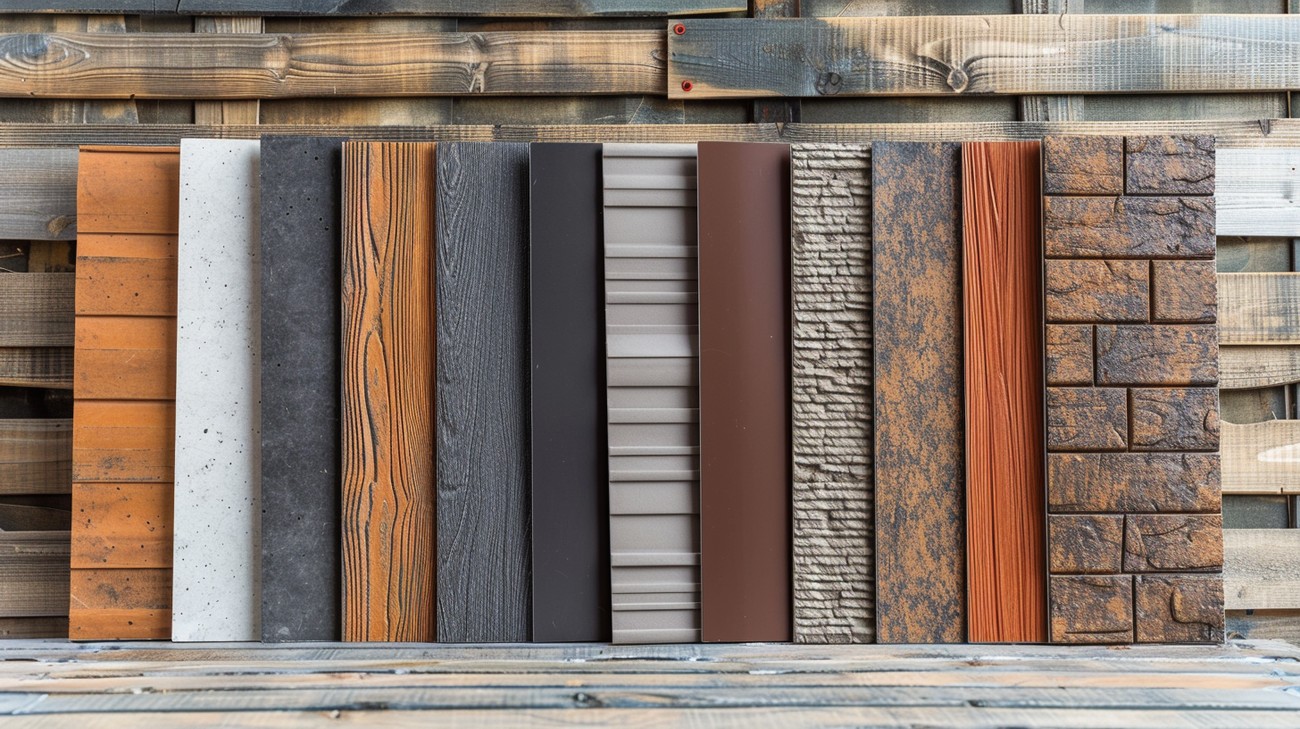
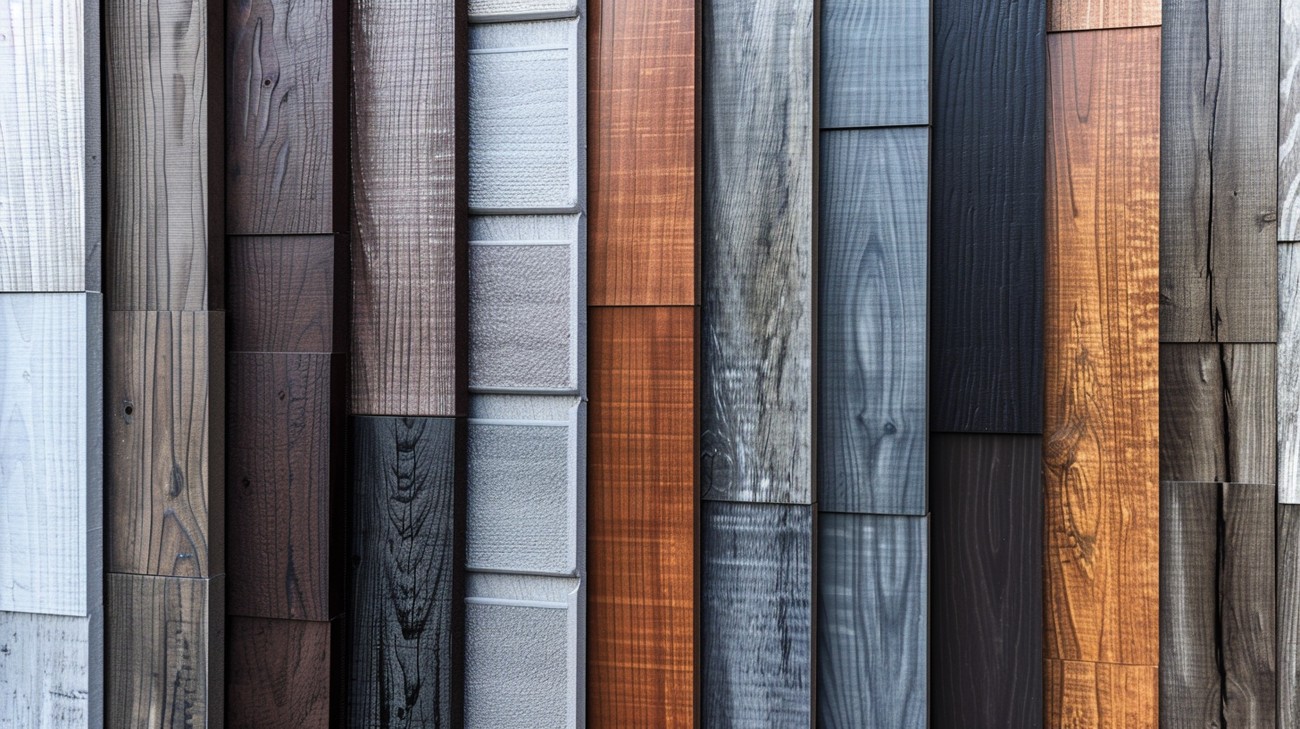
Vinyl siding alternatives provide a wide array of aesthetic choices, catering to various architectural styles and personal preferences. Fiber cement and wood siding can be painted or stained in countless hues, allowing for customization in color. Metal siding offers sleek, modern lines, while brick and stone veneers provide a rustic, classic feel. With options like cedar shakes, shingles, and lap siding patterns, homeowners can mimic the traditional look of wooden homes or create a more contemporary facade. Each alternative brings distinct textures and visual appeal that can enhance the overall design of a home.
How do engineered wood siding options measure up as alternatives to vinyl siding?
Engineered wood siding offers a compelling alternative to vinyl siding, combining the natural look of wood with enhanced durability. Made from wood fibers and resins, it is treated to resist termites and decay, addressing common issues associated with traditional wood siding. Engineered wood is lighter and easier to install than fiber cement, reducing labor costs. It also comes in a variety of styles and finishes, closely mimicking the appearance of real wood while being more cost-effective and sustainable. Homeowners who appreciate the look of wood but seek reduced maintenance risks often consider engineered wood as a practical vinyl siding alternative.
Exploring the Pros and Cons of Vinyl Siding Alternatives
Pros
Fiber Cement Siding
Durability and Longevity
Fiber cement siding is like the superhero of siding materials. It's incredibly durable and can withstand harsh weather conditions, including wind, rain, hail, and even fire. With the proper maintenance, it can last upwards of 30 years!
Aesthetic Versatility
If you're looking for variety, fiber cement answers the call. It can mimic the appearance of wood, stucco, or masonry, offering you a wide range of design options without compromising on durability.
Low Maintenance
Unlike wood siding, fiber cement doesn't succumb to pests or rot, and it doesn't need frequent repainting. A simple wash once a year is enough to keep it looking pristine.
Engineered Wood Siding
Eco-Friendly Option
Engineered wood siding is a sustainable alternative. It's made from wood fibers and resins, meaning you get the authentic wood look while being environmentally conscious.
Cost-Effective
While it mimics the look of traditional wood siding, engineered wood is generally more affordable, making it a cost-effective choice for homeowners on a budget.
Lightweight and Easy to Install
It's lighter than many other siding materials, making it easier to handle and install, potentially reducing labor costs.
Brick Siding
Classic and Timeless Look
Brick siding offers a traditional and timeless appeal that never goes out of style. It provides a unique, high-end appearance that many homeowners crave.
Fire and Weather Resistant
Like fiber cement, brick is non-combustible and can handle extreme weather conditions, providing peace of mind for safety-conscious homeowners.
Energy Efficient
Brick siding naturally enhances insulation, helping to maintain indoor temperatures and boost your home's energy efficiency, which can lead to lower utility bills.
Cons
Fiber Cement Siding
Higher Upfront Cost
While it offers many long-term benefits, fiber cement has a higher initial cost compared to vinyl siding, which can be a barrier for some homeowners.
Heavier and Hard to Install
Due to its weight, fiber cement siding is more challenging and labor-intensive to install. This often leads to higher installation costs and may require professional assistance.
Engineered Wood Siding
Susceptibility to Moisture
Engineered wood can be vulnerable to moisture damage if not properly installed and maintained, leading to warping or swelling over time.
Less Durable Than Fiber Cement
Although more cost-effective, engineered wood doesn't quite match up to the durability of fiber cement or brick, especially in extreme weather conditions.
Brick Siding
Expensive
Brick siding comes with a high price tag, both in terms of materials and installation. It requires skilled labor for proper installation, which can drive up costs significantly.
Limited Design Options
While brick offers timeless charm, it doesn't provide as much design flexibility or color variety as other siding materials might offer.
Final Thoughts
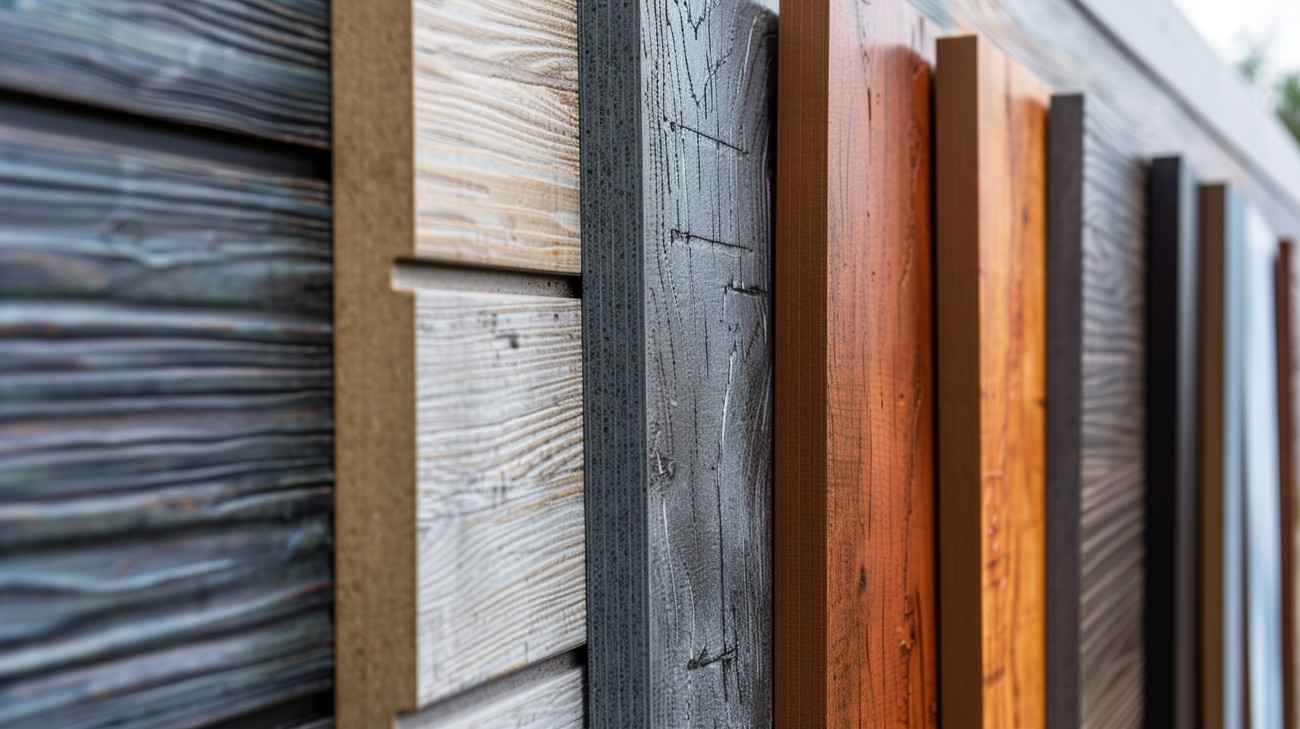
Choosing the right siding for your home is an important decision, and exploring vinyl siding alternatives can open up a world of options tailored to your style and budget. Whether you're drawn to the rustic charm of wood, the durability of fiber cement, or the low maintenance of engineered wood, each alternative offers unique benefits that can enhance your home's curb appeal and longevity.
If you're in Kirkland, WA, and ready to explore these options further, we invite you to reach out to New Day Construction. Our expert team is here to help you navigate the choices, answer any questions, and provide insights that fit your specific needs. Let’s work together to find the perfect solution for your home!


