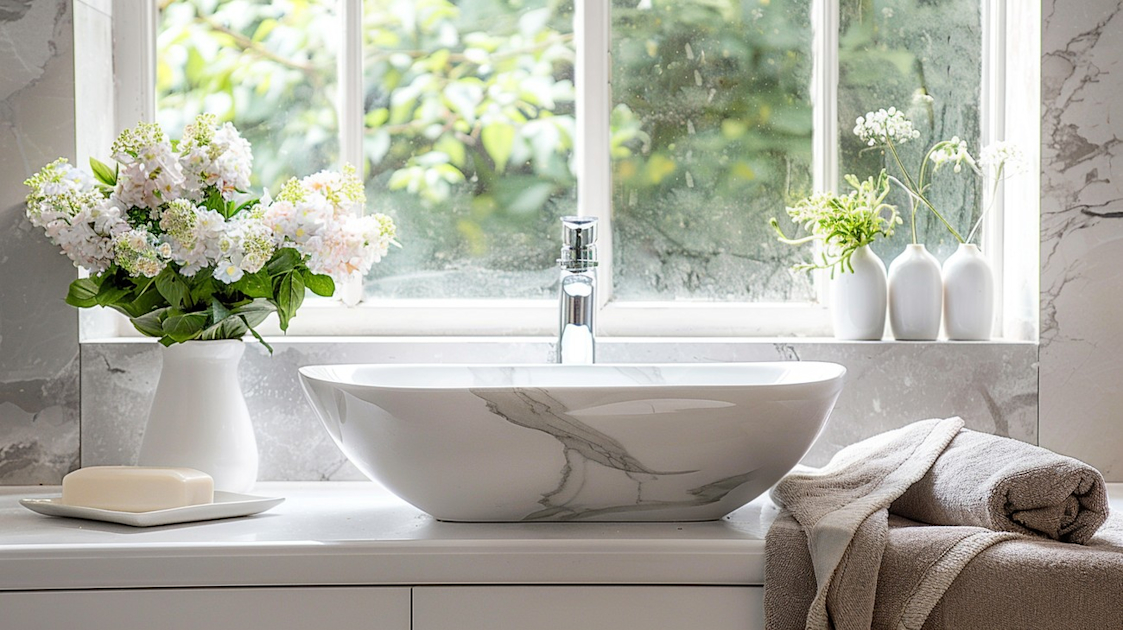


In the world of home and bathroom design, finding materials that combine luxury with affordability can often seem like a daunting task. However, cultured marble stands out as a popular choice for many homeowners and designers alike. This synthetic product offers the elegance of natural marble without the hefty price tag. But what exactly is cultured marble, and why is it gaining traction in so many homes? Let's unravel the mystery.
What is Cultured Marble?
Cultured marble is a man-made product that replicates the beauty and elegance of natural marble. It is a mixture of powdered marble and resin, formed in molds to create a wide range of bathroom and kitchen surfaces, such as countertops, showers, wall panels, and tubs. The result is a non-porous surface that is highly durable and easy to maintain.
The Composition of Cultured Marble
To truly appreciate cultured marble, it's necessary to understand what goes into its making. The primary materials are:
- Marble Dust: Ground natural marble provides the base material and gives the cultured marble its luxurious appearance.
- Resin: This acts as a bonding agent, giving strength while allowing the mixture to set into the desired shapes.
- Pigments: Added for colors and veining, these pigments can mimic natural stone or offer unique colors not found in nature.
- Catalysts and Fillers: These play a role in solidifying the mixture and ensuring its consistency during the manufacturing process.
How is Cultured Marble Manufactured?
The creation of cultured marble is an intricate process requiring careful attention to detail. It involves:
- Mixing: The marble dust, resin, and pigments are mixed to form a homogenous compound.
- Molding: This mixture is then poured into a mold to achieve the desired shape. The mold's design can closely mimic that of natural stone or take on a completely customized form to suit specific preferences.
- Curing: Once in the mold, the product is allowed to cure for several hours. This hardening phase is crucial for its durability.
- Finishing: After curing, the product is polished to a high shine or given a matte finish, depending on customer requirements.
Advantages of Cultured Marble
Cultured marble offers several benefits that have contributed to its popularity in modern homes. Some of these advantages include:
- Affordability: It offers the appearance of luxury without the price tag of natural marble.
- Durability: The non-porous nature makes it resistant to stains, mold, and mildew.
- Customization: It can be crafted in various colors and designs to fit any aesthetic need.
- Ease of Maintenance: Requires minimal upkeep compared to other natural stones, needing no regular sealing.
Applications of Cultured Marble
Cultured marble's versatility makes it suitable for numerous applications throughout the home:
- Bathroom Vanities: Its moisture resistance is perfect for bathroom environments, providing elegance and functionality.
- Shower Walls and Bases: Seamless installation minimizes grout lines, reducing potential areas for mold growth.
- Bathtubs: Offers a high-end, spa-like experience in the comfort of your home.
- Wall Panels: An excellent alternative to tiles, adding sleek lines and modern aesthetics to any room.
Maintenance Tips for Cultured Marble
Maintaining cultured marble is straightforward and ensures its longevity and continued beauty. Consider the following tips:
- Regular Cleaning: Use a mild soap or a non-abrasive cleaner with a soft cloth or sponge. Avoid harsh chemicals or abrasive pads.
- Avoiding Stains and Scratches: Although resistant, it's wise to wipe spills promptly and use cutting boards or pads under heavy objects.
- Polish Occasionally: Use a liquid polish or wax made for cultured marble to maintain its luster.
Frequently Asked Questions About Cultured Marble
What exactly is cultured marble?
Cultured marble is a man-made material composed of marble dust mixed with polyester resin. It closely resembles natural marble but offers enhanced versatility and durability. Emerging around the 1960s, cultured marble has been a popular choice for bathroom vanities, countertops, and shower surrounds due to its seamless design options and affordability. One of the significant benefits is that cultured marble can be manufactured in various colors and patterns, providing a consistent appearance.
How is cultured marble made?
Cultured marble is created by blending crushed marble dust with liquid resin, along with color pigments and other additives. This mixture is poured into molds, which define the final shape and size of the product. The molds are coated with a gel finishing coat that cures to a hard, glossy surface. As a result, cultured marble can mimic the rich veining of genuine marble while being more customizable. The manufacturing process allows for the creation of large pieces without the need for seams or grout lines, enhancing its durability and ease of maintenance.
Where is cultured marble commonly used?
Cultured marble is frequently used in residential and commercial settings, particularly in bathrooms and kitchens. Common applications include vanity tops, sinks, shower enclosures, and bathtubs. Its versatility allows it to fit both modern and traditional designs, making it suitable for diverse interior styles. In kitchens, it provides a durable countertop solution that resists stains and is easy to clean. Cultured marble’s ability to be molded to specific shapes and sizes enables customized solutions, ensuring a perfect fit in various spaces.
How does the cost of cultured marble compare to natural marble?
Cultured marble is generally more budget-friendly than natural marble, primarily due to its synthetic composition and simplified installation process. Because cultured marble is poured into molds, it requires less labor to manufacture and less waste than quarried stone, contributing to its lower cost. Despite its affordability, it maintains a premium appearance similar to natural stones. Additionally, its lower price does not compromise on durability, making it a cost-effective way for homeowners to achieve a sophisticated look.
Is cultured marble durable?
Yes, cultured marble is quite durable. The gel coat finish applied during manufacturing adds a layer of protection, making it resistant to stains, chipping, and scratches. It also withstands high temperatures and humidity, which is particularly advantageous for bathroom and kitchen environments. While it is robust, like all surfaces, it requires periodic care to maintain its luster. Regular cleaning with non-abrasive cleaners helps to preserve the integrity of the gel coat and overall appearance.
How do you care for cultured marble?
Caring for cultured marble is straightforward. Regular cleaning with a soft cloth and a mild, non-abrasive cleaner is usually sufficient. Avoid using harsh chemicals or abrasive cleaning pads, as these can damage the gel coat. For deeper cleans, a mix of water and vinegar or specialized cultured marble cleaners can be used. Since cultured marble is non-porous, it resists mildew and mold, reducing the need for intensive maintenance. Sealing is not required, which simplifies upkeep compared to natural stones.
Can cultured marble be repaired if it gets damaged?
Yes, while cultured marble is durable, minor damage can happen. Small scratches or chips in the surface can often be buffed out using a fine abrasive compound or gel coat polish. More significant damage can sometimes be addressed with repair kits specifically designed for cultured marble surfaces. If the damage is extensive, professional repair may be necessary to restore the surface to its original condition. Regular maintenance and avoiding heavy impacts can help prevent the need for repairs.
Is cultured marble environmentally friendly?
Cultured marble offers certain environmental benefits, particularly in terms of reducing natural stone quarrying impacts. The manufacturing process uses marble dust, which might otherwise go to waste, and the polyester resin component can be derived from recycled materials. Since cultured marble is durable and long-lasting, it reduces the need for replacements, contributing to its sustainability. Choosing locally manufactured cultured marble further minimizes transportation emissions, enhancing its eco-friendly profile.
How do different designs and colors get added to cultured marble?
The design versatility of cultured marble is one of its key advantages. During the production process, pigments are mixed into the resin to achieve a wide range of colors, from neutral whites and grays to vibrant reds and blues. Patterns can be added by swirling different colored resins or using techniques that mimic the veining found in natural marble. This customization allows for a personalized touch, making it easier for homeowners to match their cultured marble countertops or bathrooms with their chosen aesthetic.
Are there health concerns associated with cultured marble?
Cultured marble is generally considered safe for use in homes and commercial spaces. Once cured, the surface is non-porous and does not emit significant volatile organic compounds (VOCs), making it a healthy choice for indoor air quality. The materials used in its production, including the gel coat finish, comply with industry standards for safety. As with any manufactured product, it is vital to ensure that it comes from a reputable source that adheres to recognized safety regulations and guidelines.
The Inside Scoop on Cultured Marble: Pros & Cons
Pros
Affordability
Cultured marble is a wallet-friendly alternative to its natural counterpart. Crafted from a blend of marble dust, resins, and pigments, it offers the look and feel of natural marble without the hefty price tag. This makes it an appealing option for those who want some luxury without breaking the bank.
Customizability
One of the standout features of cultured marble is its versatility. Unlike quarried marble, cultured marble can be molded and customized to fit specific design needs. This means you can have seamless surfaces free of grout lines in various colors and patterns that suit your aesthetic whims.
Low Maintenance
Let’s face it, cleaning can be a drag. Luckily, cultured marble’s non-porous surface is a big win for the cleanliness factor. Unlike natural stone, it doesn’t require regular sealing and is resistant to mildew and stains. A simple wipe-down with a mild cleaner keeps it looking pristine.
Aesthetic Appeal
If you’re aiming for elegance, cultured marble delivers. Its glossy finish and uniform appearance add a touch of sophistication to any space. Plus, you can enjoy the timeless look of marble with the added perk of enhanced durability.
Durability
Cultured marble is surprisingly tough. It stands up well to the rigors of daily life, resisting chipping and scratching far better than natural stone. This makes it a practical choice for high-traffic areas, especially in busy family homes.
Cons
Vulnerability to Heat
Despite its durable nature, cultured marble has a weak spot: heat. It doesn't take kindly to hot pots or hair straighteners being plunked directly onto its surfaces. Heat can cause discoloration or even damage, so it’s wise to use trivets and heat pads.
Susceptibility to Scratches
While cultured marble is durable, it's not invincible. It can scratch if it encounters sharp objects. While minor scratches are usually a simple polish away, deeper ones might require professional attention.
Fading Over Time
Cultured marble is known for its vibrant colors, but these may fade with prolonged exposure to sunlight. This can be a concern for areas near windows or in sun-drenched rooms. Ensuring UV protection or strategic placement can mitigate this issue.
Limited Resale Value
For those who keep an eye on the long-term investment aspect, cultured marble doesn’t typically add significant resale value to a home. Potential buyers might prefer natural stone options, which are often viewed as more prestigious.
Perceived Quality
Though cultured marble is beautiful and functional, some purists argue that it lacks the prestige and cachet of natural marble. For those seeking a high-end, luxurious feel, man-made alternatives might not completely fit the bill.
Final Thoughts
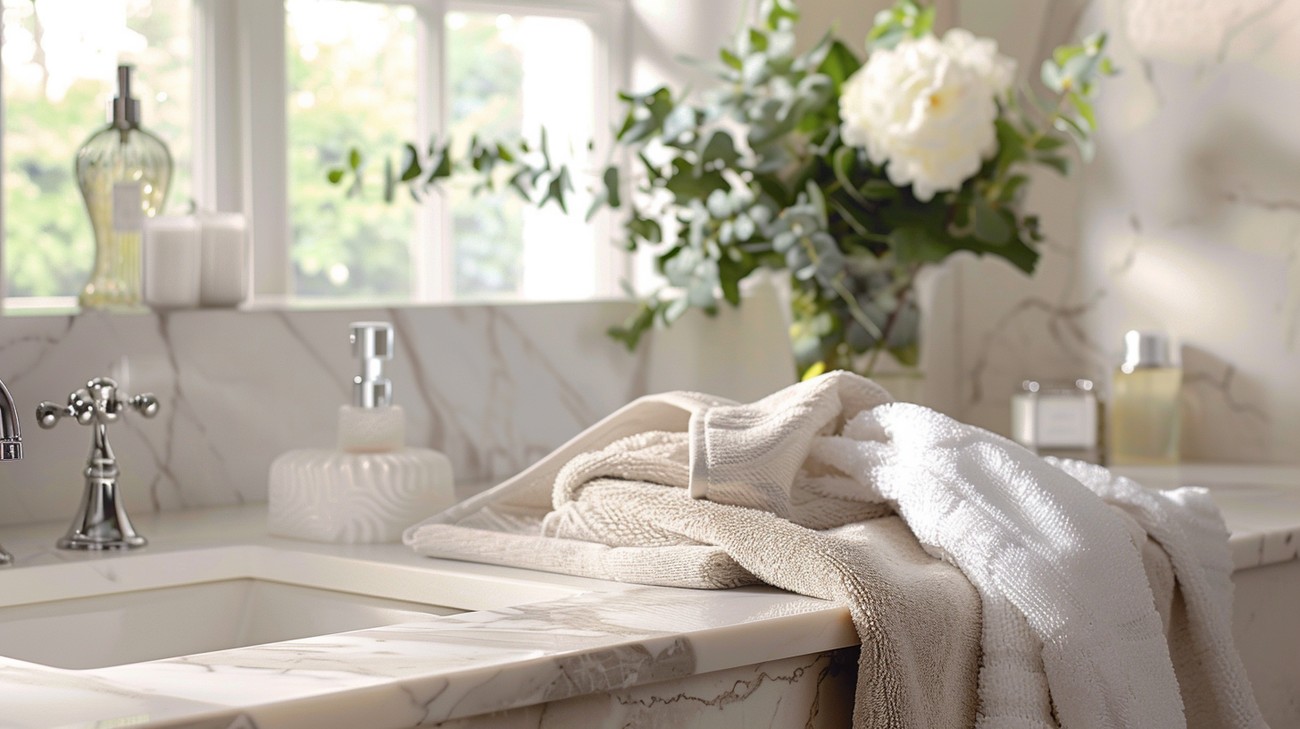
Cultured marble is an excellent choice for anyone looking to add elegance and functionality to their home. It combines the beauty of natural stone with the durability and ease of maintenance that a synthetic material offers. Whether you’re considering updates to your bathroom, kitchen, or even outdoor spaces, understanding what is cultured marble can help you make informed choices that enhance your living environment.
If you’re located in Bellevue, WA, and are ready to explore the possibilities of cultured marble, we’re here to help. At New Day Construction, we pride ourselves on being your trusted local expert in home renovations. We invite you to reach out to us for a consultation or to request a free estimate, so we can help bring your vision to life with quality and care.


