
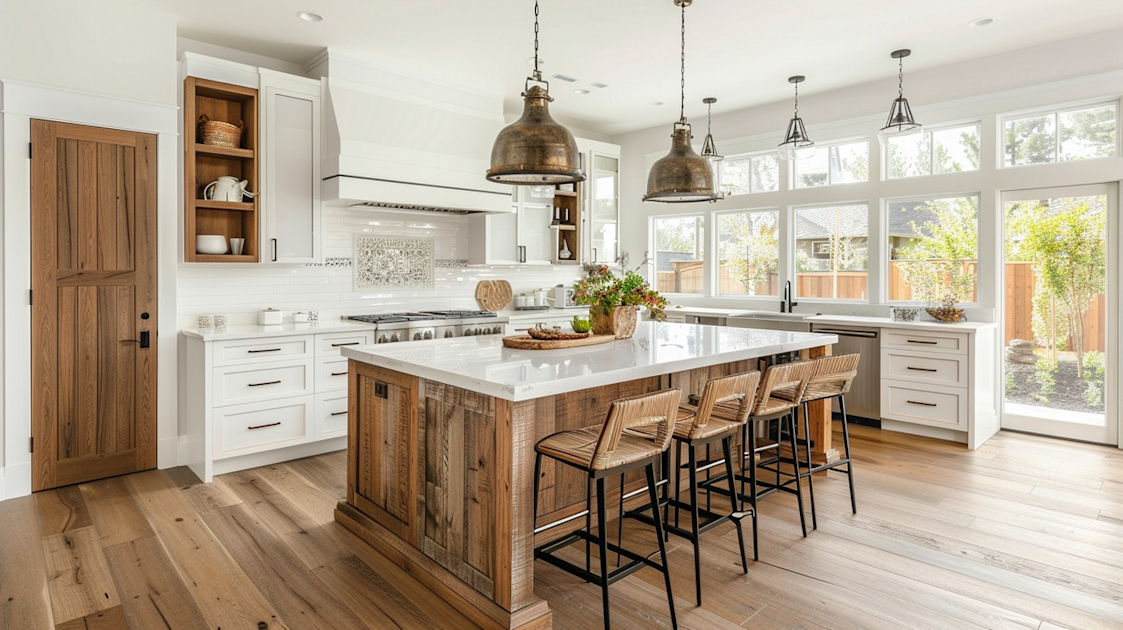


When it comes to designing a kitchen, one of the most versatile and stylish features you can add is an island. Kitchen islands offer additional workspace, storage, and seating, making them a prized centerpiece in any home. However, one crucial element to consider is the size of your kitchen island. The right dimensions can make a huge difference in functionality, aesthetics, and overall kitchen layout.
Understanding Kitchen Island Fundamentals
Before diving into measurements, it's essential to understand the purpose and placement of a kitchen island. Islands can serve multiple functions: an additional prep area, a spot for casual meals, a storage hub, or even a secondary sink or cooktop location. Identifying your primary use will guide you towards the correct size and features.
The Standard Kitchen Island Size
Most kitchen islands range from 2 to 10 feet in length and typically between 3 to 4 feet in width. However, these dimensions can vary based on your kitchen space. It's vital to ensure there is adequate clearance around the island for efficient movement.
Factors Influencing Kitchen Island Size
Several key factors influence the right size for your kitchen island:
- Kitchen Size: A larger kitchen can accommodate a bigger island, whereas a smaller room may need a sleek design.
- Functionality: Determine whether you desire extra seating, a sink, or storage space.
- Flow of Movement: Ensure there's a 36-48 inch clearance around the island for safety and accessibility.
- Appliances: Consider the work triangle and appliance placement for optimal flow.
Ideal Dimensions for Various Kitchen Sizes
Small Kitchens
In compact kitchens, every square inch matters. If you have a smaller kitchen space:
- Ideal Size: 2-4 feet long and 2-3 feet wide
- Features: Drop-leaf features, slim storage, and overhangs for seating
- Layout Tips: Opt for a mobile island or a cart for flexibility and economize space with multipurpose elements.
Medium Kitchens
A medium-sized kitchen offers more opportunities to integrate a functional island without overwhelming the space:
- Ideal Size: 4-6 feet long and 3-4 feet wide
- Features: A built-in sink or range, seating for 2-4, and accessible storage
- Layout Tips: Center the island to maximize flow and connectivity, granting easy access to all parts of the kitchen.
Large Kitchens
For larger kitchens, the possibilities expand:
- Ideal Size: 6-10 feet long and 4-6 feet wide
- Features: Dedicated zones for prep, cooking, or dining and substantial storage
- Layout Tips: Consider a double island if space permits, allowing distinct areas for prep and dining.
Customizing Your Kitchen Island
One of the significant advantages of kitchen islands is the potential for customization. Whether you're working with unique kitchen dimensions or expressing personal style, custom islands are adaptable, providing:
- Custom Heights: Standard counter height is around 36 inches, but for seating, 42 inches like a bar height may be preferable.
- Unique Shapes: L-shaped, circular, or asymmetric designs may better fit your kitchen's layout.
- Materials: Mix and match different materials for the countertop like granite, butcher block, or quartz to reflect style and function.
Incorporating Seating in Your Kitchen Island
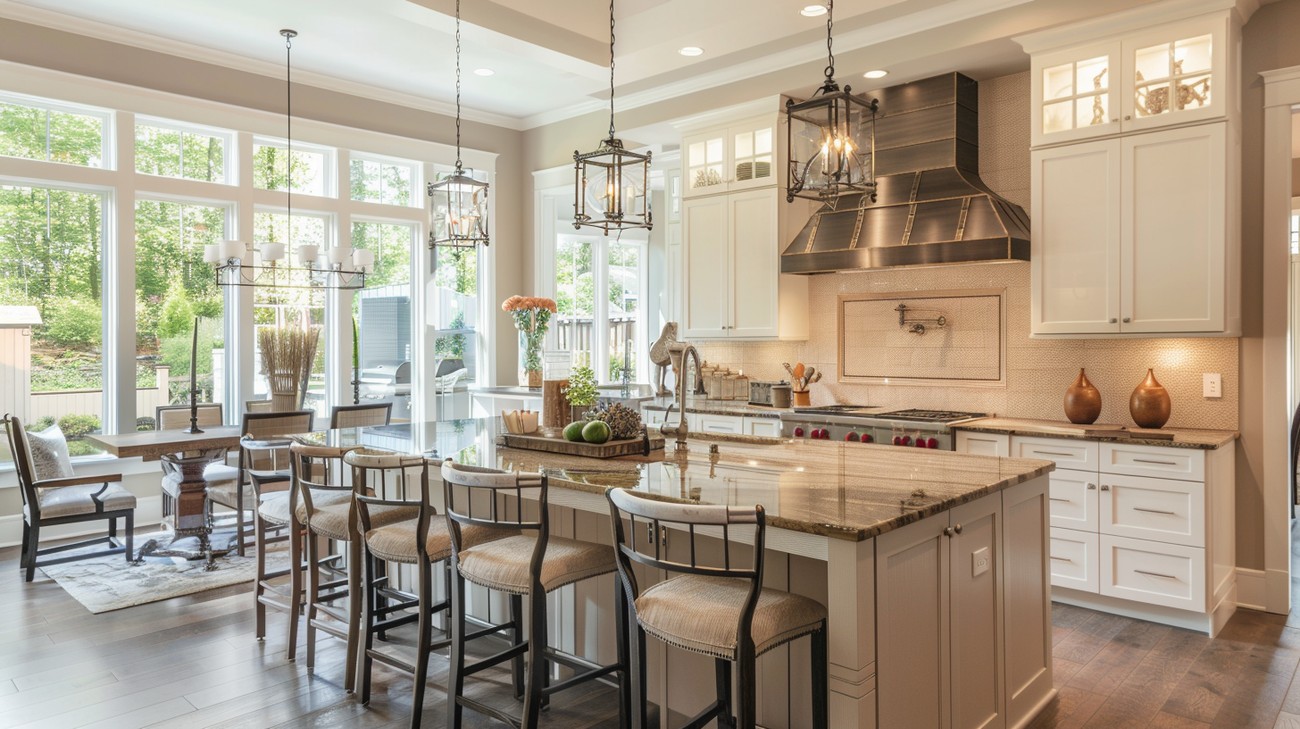
Seating at your kitchen island creates an inviting atmosphere, perfect for family gatherings or casual dining. Here's how to strike a balance between aesthetics and utility:
- Allow 24 inches per stool for ample elbow room.
- Ensure an overhang of 12-15 inches for comfortable leg space.
- Opt for adjustable seating if height variations exist in the household.
Seating Layout Ideas
- Straight Alignment: Classic and ideal for narrow islands, aligning stools in a straight row.
- L-Shape Arrangement: Works well for islands doubling as dining rooms, maximizing corner space.
Functional Additions to Consider
Adding functionality to your island with appliances or utilities enhances the kitchen experience:
- Sinks: A secondary prep sink offers additional convenience and can help with multitasking.
- Cooktops: An extra cooking surface can ease meal prep during large gatherings.
- Outlets: Incorporate electrical outlets in the island to power appliances with ease.
Frequently Asked Questions About Kitchen Island Sizes
What are the standard dimensions for a kitchen island?
A standard kitchen island typically measures about 2 feet deep by 4 feet long, offering a balanced mix of workspace and functionality. However, kitchen island dimensions can vary greatly based on your kitchen's layout and specific needs. The height often aligns with a typical countertop height of 36 inches. This standard size ensures you have adequate space for meal prep and seating without overwhelming your kitchen.
How much space should be between the kitchen island and the countertops?
It's important to leave at least 36 to 48 inches of space between your kitchen island and surrounding countertops or cabinets. This distance allows for comfortable movement and sufficient space for appliance doors to fully open. A wider space can enhance the flow, especially in high-traffic areas of your kitchen.
Can I have a kitchen island in a small kitchen?
Yes, you can have a kitchen island in a small kitchen, but careful planning is essential. Opt for a smaller, more compact island design and consider options like a rolling cart or a peninsula. Think about kitchen island sizes that provide necessary functionality without cramping your space. The key is to maximize usability without reducing the kitchen’s maneuverability.
How is seating typically arranged on a kitchen island?
Seating on a kitchen island often involves bar stools placed on one side or along two sides of the island. Generally, you should allocate 24 inches of counter space per stool for comfort. Consider the overall dimensions of the kitchen island to determine the number of seats it can comfortably accommodate. Islands with overhangs of 12 inches or more are ideal for seating areas, providing ample legroom.
What is the ideal overhang for a kitchen island countertop?
The ideal overhang for a kitchen island countertop is usually around 12 to 15 inches. This measurement provides enough space for comfortable seating without taking up too much room. It's important to align the overhang size with the kitchen island's overall dimensions to maintain balance and aesthetics. Adding supports or brackets may be necessary for larger overhangs to ensure stability.
How do I choose the right kitchen island size for my space?
Choosing the right kitchen island size requires you to assess your kitchen layout and available space. Measure your kitchen accurately and consider how the island will affect traffic flow. Think about the primary use—whether for dining, cooking prep, or storage. Tailor the kitchen island dimensions to reflect these needs while harmonizing with the kitchen's overall look and feel.
Can a kitchen island be too large for a kitchen?
Yes, a kitchen island can certainly be too large for a kitchen. Oversized kitchen islands can disrupt the efficient flow of movement and make even spacious kitchens feel cramped. Always proportion the island size to the kitchen's dimensions. Typically, kitchen island sizes should leave enough free space around the island to maintain an easy flow of movement for more than one person.
The Ins and Outs of Kitchen Island Sizes
Pros
Customization Bonanza
When it comes to kitchen island sizes, the ultimate pro is the sheer level of customization available. Whether you have a sprawling kitchen or a cozy nook, there's a size that perfectly fits your space and caters to your culinary habits. You can tailor an island to include anything from extra seating to a built-in wine fridge. The range of options allows you to shape your kitchen into a workspace that best suits your lifestyle.
Space Utilization
For those blessed with large kitchens, a generously sized island can act as the heart of the room, filling the space and making it feel more cohesive and inviting. It gives you a staging area for holiday feasts, a prep counter for elaborate meals, or simply a place to spread out your daily cooking activities. Even smaller islands can add valuable counter space in compact kitchens, too.
Increased Storage
Larger islands open up significant opportunities for storage. You can incorporate shelves, cabinets, and even pull-out drawers to stow away utensils, pots, pans, and small appliances. This additional storage can mitigate clutter on your countertops and make your kitchen more organized and efficient.
Social Hub
The versatility of kitchen islands as gathering points is unmatched. With enough seating, they become a casual dining area, perfect for weekday breakfasts or chatting with friends over a glass of wine while you cook. The right-sized island fosters social interactions while keeping everyone comfortably spaced.
Multifunctionality
Kitchen islands aren't just for food prep; they can be the multifunctional workhorse of your kitchen. Bigger islands can host sinks and dishwashers, making them a fully independent workstation. Many islands also offer space for your children to do homework, or you can convert them into a temporary home office. Their size can amplify all these possibilities.
Cons
Spatial Constraints
On the flip side, overestimating the size needed for a kitchen island is a common mistake that can lead to an impractical and cramped space. A too-large island can overwhelm smaller kitchens, making the area feel claustrophobic and difficult to navigate. It's essential to consider the flow and ensure there's enough clearance for people to move comfortably.
Cost Factor
The larger the island, the higher the potential cost. Bigger islands not only require more materials but may also need additional customization, which can drive up the price. If you're looking at bespoke designs, the cost can rise quickly, impacting your overall kitchen renovation budget.
Maintenance Headaches
Size can complicate upkeep, especially if your island incorporates various materials and features like sinks or cooktops. More surface area means more cleaning, and complex island designs can mean more components that might need repair or replacement over time.
Installation Challenges
A bigger island might require structural changes to your kitchen, such as rerouting electrical and plumbing lines, which can be a hassle. The installation process becomes more complicated with increased size, possibly extending project timelines and introducing unforeseen issues, especially in older homes.
Risk of Space Dominance
Even if your kitchen is on the larger side, a massive island could end up dominating the space, drawing focus away from other elements of the kitchen. It may inadvertently become a barrier rather than a bridge, subtly disrupting the room's aesthetic balance and flow.
Final Thoughts
Finding the right kitchen island size truly depends on your needs, space, and style preferences. Whether you dream of a large, multifunctional island for family gatherings or a cozy, compact version for a smaller kitchen, the key is to balance functionality with aesthetics. Remember to consider the flow of your kitchen and how you'll use the island, as this will ensure that it enhances your cooking and socializing experience.
If you're ready to explore your options and find the perfect kitchen island sizes for your home, we’re here to help. At New Day Construction, we’re proud to serve homeowners in Kirkland, WA, providing tailored solutions that fit your vision and space. Reach out to us today to schedule a consultation or request a free estimate, and let’s bring your dream kitchen to life together!


