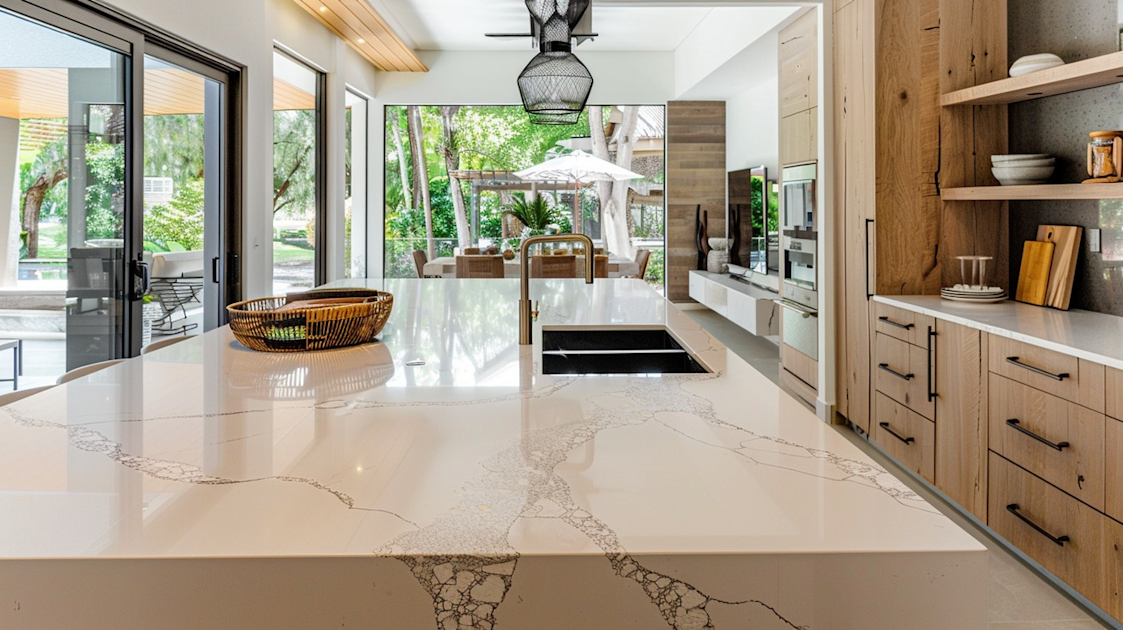


When it comes to kitchen or bathroom renovations, countertops play a pivotal role in both aesthetics and functionality. One of the most popular choices among homeowners is quartz countertops, renowned for their durability, style, and low maintenance. However, understanding the cost of quartz countertops is crucial before making a decision. This comprehensive guide will delve into the various factors that influence the price and help you make an informed choice.
Understanding Quartz Countertops
Quartz countertops, often regarded as one of the most premium countertop choices, are engineered stone surfaces that offer the beauty of natural stone with added benefits. They are crafted from ground quartz crystals mixed with resins and color pigments, resulting in a non-porous surface that is both stunning and resilient.
Factors Influencing Quartz Countertop Cost
Before diving into the specifics of quartz countertop pricing, it's important to consider the factors that influence these costs. Multiple variables come into play, and understanding each can help you plan your budget effectively.
Material Quality
Quartz countertops come in various grades, ranging from low-end to high-end. High-quality quartz features a higher percentage of natural quartz content and may incorporate more intricate patterns and colors. Higher grades not only look more luxurious but also increase the price tag significantly.
Brand Reputation
Like any other product, the brand associated with quartz countertops can affect the cost. Prominent brands like Caesarstone, Silestone, and Cambria are known for their quality and innovation, often commanding a premium price due to their reputation and reliability.
Thickness and Edge Profiles
The thickness of the quartz slab is another significant factor. Standard thickness options include 1.2 cm, 2 cm, and 3 cm. Thicker slabs often cost more due to the additional material and enhanced durability. Additionally, edge profiles such as beveled, bullnose, or ogee can influence the price, with more intricate designs costing more.
Color and Patterns
Quartz countertops are available in a myriad of colors and patterns, mimicking the appearance of natural stones like marble and granite. Unique color blends and patterns can increase the cost, especially if they replicate the rare and exotic looks of natural stone.
Installation Costs
The cost of quartz countertops isn't just about the material itself; installation plays a significant role as well. Understanding what installation entails will provide a clearer picture of the total expenditure.
Labor Expenses
Professional installation is recommended for quartz countertops since they are heavy and require precise handling. Labor costs can vary depending on the region, complexity, and installer's expertise. It's essential to obtain quotes from multiple installers for the best deal.
Additional Services
Additional services such as removal of the old countertop, sink cutouts, or custom fabrications can add to the overall cost. Always discuss these aspects with your installer to avoid unexpected expenses.
Regional Pricing Variations
Geographic location often influences the price of quartz countertops. Prices can vary significantly from one region to another due to differences in demand, labor costs, and availability of materials.
Urban vs. Rural Areas
In urban areas, the cost of quartz countertops, including installation, tends to be higher compared to rural locations due to increased demand and higher living expenses. Conversely, prices may be slightly lower in rural regions, but options could be limited.
Regional Trends
Certain trends and preferences can also affect the cost. Regions with a focus on modern design aesthetics may have higher-priced quartz options due to the popularity of these styles, whereas more traditional areas may offer classic designs at varying prices.
Budgeting for Quartz Countertops
Creating a budget for your quartz countertop project is essential to ensure you stay within financial limits while achieving your desired outcome. Here are some practical tips:
List Your Priorities: Determine what's most important to you, be it design, brand, or longevity. This will help you allocate funds appropriately.
Get Multiple Estimates: Reach out to several suppliers and installers to compare prices and services. An informed decision often leads to cost savings.
Consider DIY for Minor Tasks: While professional installation is recommended, some minor tasks like old countertop removal or simple adjustments can be DIY projects to cut down costs.
Cost Breakdown
To give you an estimate, here's a breakdown of typical costs associated with quartz countertops:
- Material: The price for high-quality quartz slabs ranges from $50 to $150 per square foot.
- Installation: Expect to pay between $50 to $100 per square foot for professional installation.
- Custom Additions: Additional costs for custom edges, sink cutouts, and other enhancements may add $200 to $500 or more to the total cost.
These figures can fluctuate based on the factors we've discussed, making it imperative to evaluate each aspect when planning your countertop project.
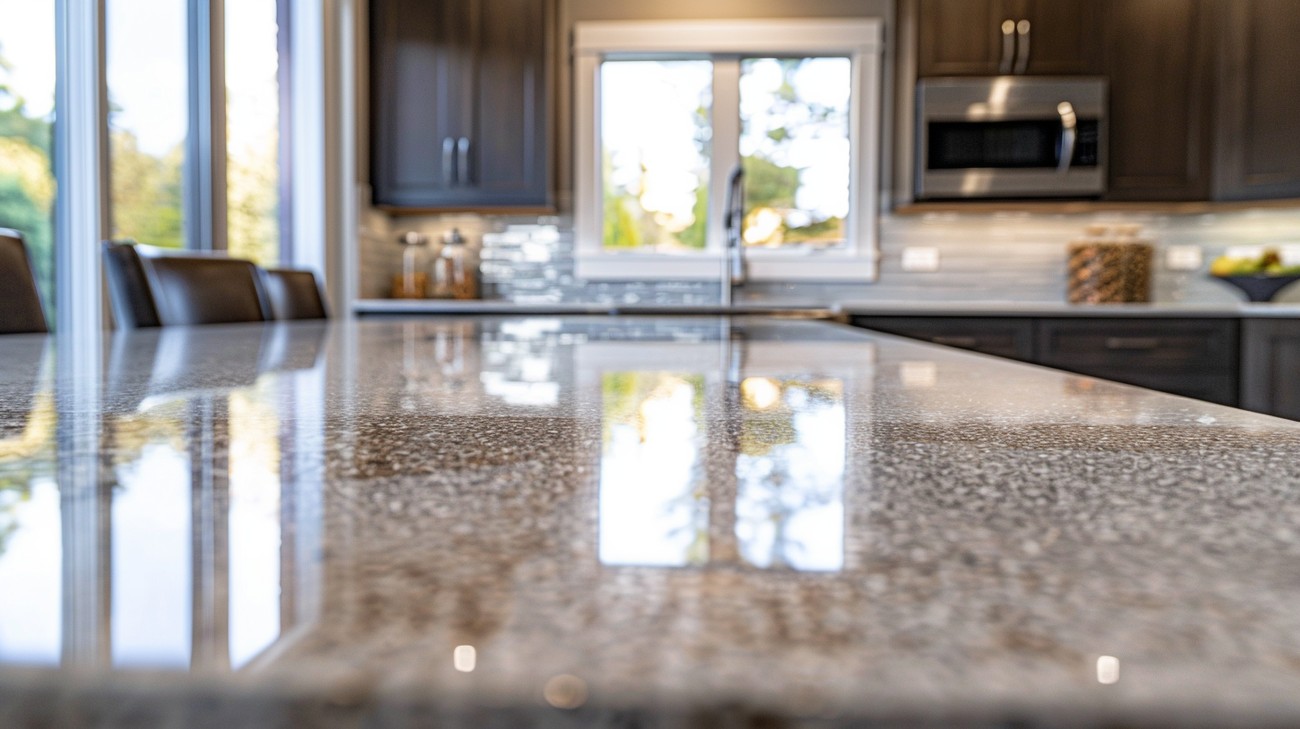
FAQ on Quartz Countertops Cost
How much do quartz countertops cost on average?
The cost of quartz countertops can vary significantly, depending on factors like the quality of the quartz, the brand, and the complexity of installation. Typically, you can expect to pay between $50 and $150 per square foot for installed quartz countertops. This range includes material costs, labor, and any additional services, like edge treatment and cutouts for sinks or fixtures. It's important to request detailed estimates from suppliers or contractors to understand what’s included in their pricing. Additionally, complex installations or premium brands might push costs towards the higher end of the spectrum.
Are quartz countertops more expensive than granite?
Quartz countertops often carry a higher price tag than granite, but the cost difference has narrowed in recent years due to technological advancements in quartz production. While granite typically ranges from $40 to $100 per square foot, quartz averages between $50 and $150 per square foot. However, the pricing can overlap, especially with high-end granite or budget-friendly quartz options. Quartz tends to be more cost-effective over time due to its durability and minimal maintenance requirements, which may offset the initial investment compared to granite.
What factors influence the cost of quartz countertops?
Several factors impact the cost of quartz countertops. Chief among these are the quality and type of quartz used; higher-quality materials or those with rare colors and patterns will increase costs. The brand also plays a role—premium brands typically charge more than lesser-known options. The installation complexity, including the size of the countertop, the number of seams or cuts required, and special edge treatments, can also affect the overall price. Labor rates vary by region and can significantly influence the final cost, along with custom features or intricate designs.
Does the thickness of a quartz countertop affect its cost?
Yes, the thickness of quartz countertops directly impacts their cost. Standard thickness for quartz countertops is typically 1 cm, 2 cm, or 3 cm. Thicker countertops tend to be more expensive because they use more material and might require additional support during installation. While a 2 cm thickness is common in residential settings, a 3 cm countertop offers a more substantial appearance, often preferred for its premium aesthetic. Despite the higher cost, thicker countertops provide enhanced durability and structural stability, making them a worthy consideration.
How does installation impact the cost of quartz countertops?
Installation costs can significantly impact the total price of quartz countertops. Factors such as the complexity of the job, the number of cuts or seams, and the ease of access to the installation site all contribute to labor expenses. Intricate designs, custom cutouts, or non-standard layout adjustments might require specialized labor, adding to the cost. Additionally, some installers might charge extra fees for removing and disposing of old countertops, which you should clarify during the initial quote process. Proper installation is crucial for the longevity of your counters, so investing in experienced professionals is often worthwhile.
Can selecting a specific quartz brand affect countertop costs?
Choosing a particular quartz brand can indeed affect the cost of your countertops. Well-known brands typically offer a wide range of designs and often price their products higher due to brand reputation and increased marketing costs. Brands like Caesarstone, Silestone, or Cambria are known for their durability and aesthetic appeal, attracting premium pricing. On the other hand, lesser-known or local brands might offer quartz at a more budget-friendly rate without sacrificing quality. Always research and compare brands to find a balance between cost and quality that suits your project.
Are there ways to reduce the cost of quartz countertops?
Yes, there are several strategies to help lower the expense of installing quartz countertops. One approach is to shop around and compare quotes from different suppliers and contractors to find the best price. Opting for a standard color or pattern, as opposed to custom or rare designs, can also help reduce costs. Additionally, consider using quartz remnants for small projects or parts of your kitchen, as these leftover pieces are often sold at a discount. Limiting customizations, such as ornate edges or backsplashes, can also keep costs in check. Lastly, if feasible, performing some preparatory work yourself—like removing old countertops—can reduce labor costs.
Do quartz countertop costs vary by region?
Quartz countertop costs can vary by region due to differences in costs of living, labor rates, and local market conditions. Urban areas with a high demand for remodeling services or luxury materials typically have higher prices, while rural areas might offer more competitive rates. Transportation costs of shipping quartz slabs to different regions can also affect the pricing; regions closer to distribution centers or manufacturers might benefit from lower shipping expenses. Comparing local suppliers and getting quotes from both local and online vendors can help you assess the most favorable rates for your area.
How does the color and pattern of quartz affect its cost?
The color and pattern of quartz can significantly influence the cost of countertops. Standard colors such as whites, blacks, and grays are usually less expensive, given their widespread production and availability. Unique patterns and vibrant colors, including those mimicking natural stones like marble, often come with a premium due to their exclusivity and the complexity of their production. When choosing a color or pattern, consider its impact on your kitchen's overall aesthetic and the long-term value it may add to your home, keeping in mind how trends and preferences might evolve over time.
Cost Breakdown
Typical Price Ranges
When considering quartz countertops, you can expect to pay a wide range of prices depending on various factors. Typically, quartz countertops cost between $50 and $120 per square foot. This price usually includes installation and fabrication. For an average-sized kitchen with approximately 30 square feet of countertop space, costs can range from as low as $1,500 to as high as $3,600.
Factors That Affect Cost
Several elements can influence the cost of quartz countertops. Primarily, the quality and brand of the quartz are crucial. High-end brands and designs mimic natural stones with impressive detail but tend to be pricier. Additionally, the thickness of the slab affects the price, with thicker slabs being more expensive and often more durable.
Customization is another factor. If your kitchen layout requires specialized cuts or custom edging, expect to pay more. The complexity of the installation, dictated by your kitchen's layout, can also impact the total price. For instance, intricate installations with several corners or detailed cut-outs for sinks and cooktops generally add to the cost.
Cost Comparison (Budget vs Premium Options)
In the world of quartz countertops, budget options start at about $50 per square foot. These options include more basic colors and patterns that may lack the depth and variance of premium selections. However, they are still durable and visually appealing.
On the other end, premium options can exceed $120 per square foot. These high-end choices often come from leading brands, boast intricate designs, and are crafted to resemble natural stones like marble or granite with remarkable precision. They not only offer aesthetic appeal but also come with extensive warranties and superior craftsmanship.
Hidden Costs to Consider
Keep in mind some hidden costs when budgeting for quartz countertops. Removal and disposal of your old countertops can add extra fees if not included in the initial quote. Reinforcing cabinets to accommodate heavier slabs might also incur additional labor costs. In some cases, you might need to adjust plumbing or electrical fixtures, leading to unforeseen expenses. Also, remember to check if the delivery fee is included in your quote, as transportation can sometimes be a hefty extra charge depending on your location.
Ways to Save Money
There are a few savvy ways to trim costs without sacrificing the quality or appeal of quartz countertops. First, consider choosing a standard edge profile instead of a custom or complex one. The latter often requires additional labor and expense. You can also save by opting for a thinner slab. While 3 cm is a popular choice because of its increased durability, a 2 cm slab can offer similar aesthetic benefits at a lower price point and might suffice structurally in many kitchens. Another tip: explore remnant slabs for smaller projects. Many suppliers offer leftover pieces at substantial discounts. This can work well if you’re outfitting a smaller area like a bathroom vanity. Finally, compare quotes from multiple suppliers and installers. Often, prices can vary significantly, and by doing a bit of homework, you might find a better deal for the same quality of material and craftsmanship. Consider asking for breakdowns to ensure you’re comparing apples to apples.
Final Thoughts
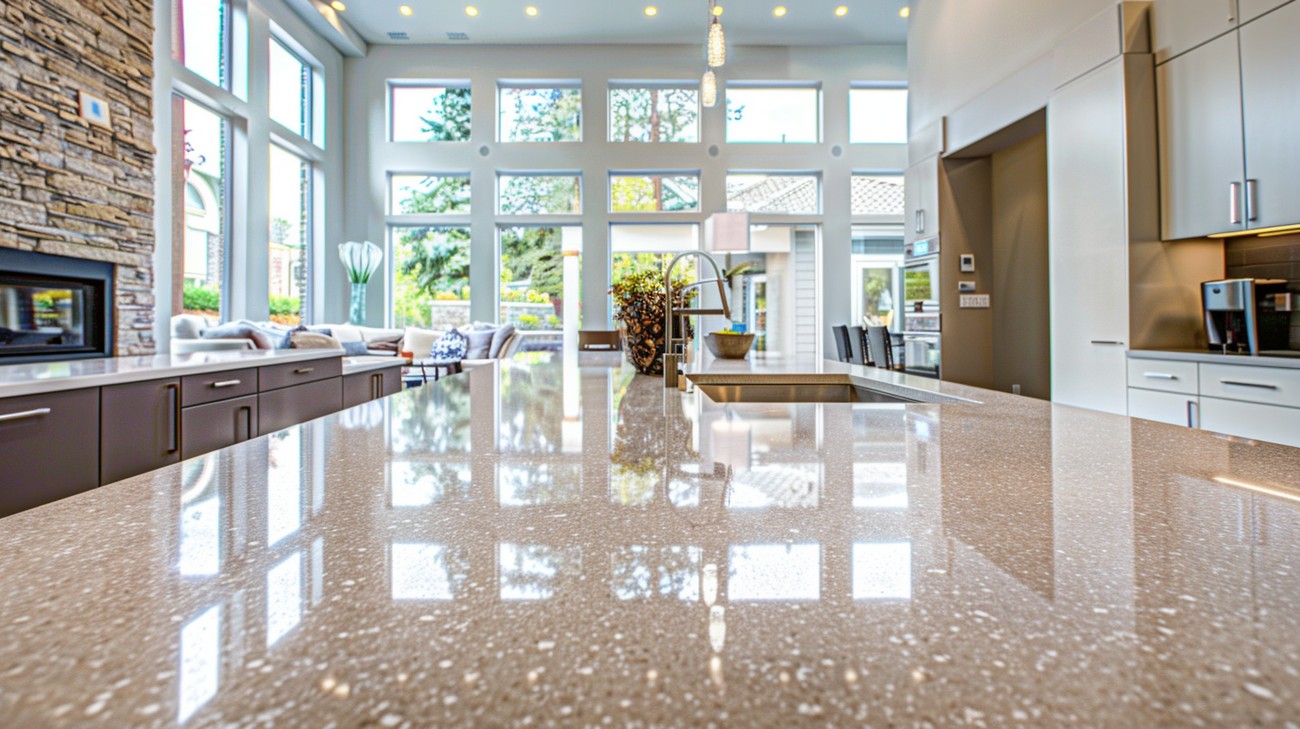
Understanding quartz countertops cost is essential for making an informed decision about your kitchen or bathroom renovation. While the initial investment may seem significant, the durability, low maintenance, and aesthetic appeal of quartz can provide long-term value that justifies the price. Factors such as color, pattern, and installation complexity play crucial roles in determining the final cost, so it's important to consider your specific needs and budget.
If you're considering updating your home with beautiful quartz countertops, we’re here to help! Serving homeowners in Bellevue, WA, New Day Construction is your trusted local expert for all things countertops. Feel free to reach out to us for a consultation, and we can provide you with a personalized estimate that suits your vision and budget perfectly. Let's turn your dream kitchen or bathroom into a reality!


